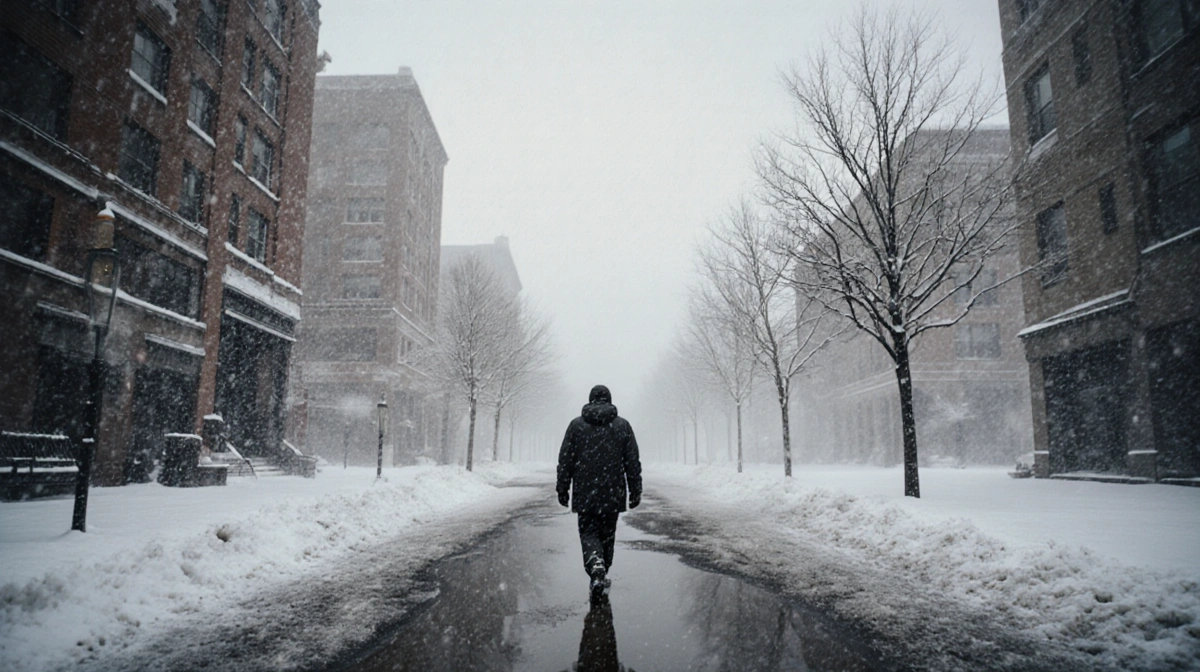
A massive winter storm, Winter Storm Fern, is set to sweep across the United States from Jan. 23 to Jan. 26, impacting more than 230 million people. Forecasts call for heavy snow, sleet, freezing rain, and dangerous ice across two-thirds of the country. States are already issuing warnings and declaring emergencies as the polar vortex brings extreme cold.
> At a Glance
> – Winter Storm Fern will hit 230 million Americans from Jan. 23 to Jan. 26.
> – Heavy snow, sleet, freezing rain, and ice could reach over a foot in some areas.
> – States have declared emergencies and issued warnings across the South, Midwest, and Northeast.
> Why it matters: The storm threatens widespread travel chaos, power outages, and tree damage, affecting daily life for millions.
Storm Overview
The National Weather Service’s (NWS) Weather Prediction Center (WPC) issued a short-range public discussion on Thursday, Jan. 22, describing the storm as a “monster” that will begin in the Southern Rockies and Plains before moving northeast. “Even small shifts could lead to large changes in local impacts,” the agency said. “Preparations should be completed as soon as possible, and forecasts closely monitored for updates.” The WPC also warned that extreme cold temperatures will follow behind the storm, which “will prolong hazardous travel and infrastructure impacts,” they added.
Meteorological Drivers
A polar vortex is pushing frigid air southward, providing the cold foundation for Winter Storm Fern. The combination of this cold air with moist air from the Gulf of Mexico creates the conditions for heavy snow, sleet, and freezing rain. The WPC notes that the storm’s track and intensity remain uncertain, but even small deviations could dramatically change the local impact.
Impacted Regions & Warnings
Winter Storm Fern is expected to affect more than 230 million Americans, or roughly two-thirds of the country, from New Mexico to Maine. According to The Weather Channel, the storm will bring widespread heavy snow, sleet, and freezing rain. Ice accumulations are forecast to be “significant and damaging,” with the potential to trigger long power outages, dangerous travel, and “extensive” tree damage.
States in the Line of Fire
- Oklahoma, Arkansas, New Mexico, Texas, Kansas, Missouri, Kentucky, Tennessee
- Southern Illinois, Indiana, northern Louisiana
- Virginia, Georgia, North Carolina, South Carolina, Arkansas, Louisiana
- Maryland, West Virginia
In Texas, Governor Greg Abbott announced a disaster declaration covering 134 counties, according to NBC News. Several states have declared a state of emergency, while others have issued a state of preparedness.
State Emergency Declarations
The following states have issued official emergency or preparedness declarations:
| State | Status |
|---|---|
| Virginia | Emergency |
| Georgia | Emergency |
| North Carolina | Emergency |
| South Carolina | Emergency |
| Arkansas | Emergency |
| Louisiana | Emergency |
| Maryland | Preparedness |
| West Virginia | Preparedness |
| Texas | Disaster declaration for 134 counties |
These declarations trigger additional resources, including emergency crews, shelters, and federal assistance.
What to Expect: Weather Conditions
The storm’s timing and track remain uncertain, but forecasters anticipate heavy precipitation across the South and Midwest during the weekend, with the heaviest snow and ice arriving in the Northeast on Monday. Travelers should expect widespread travel disruptions, power outages, and tree damage. The WPC noted that snowfall totals exceeding a foot are becoming more probable in localized areas, increasing the likelihood of “widespread travel disruptions.”
Precipitation Types
- Heavy snow in the Northeast and Midwest
- Sleet and freezing rain in the Southern Plains and lower Mississippi Valley
- Ice accumulations in the Southeast and southern Virginia
The combination of these forms of precipitation will create slippery roads, fallen trees, and power lines at risk.
Potential Impacts on Infrastructure
- Roads: Slippery conditions and falling trees can block highways and local streets.
- Power: Ice on power lines can cause outages that may last for days.
- Trees: Heavy ice and snow can break branches and entire trees, posing hazards.
- Public Services: Schools and businesses may close or operate on reduced schedules.
Emergency services in affected areas are preparing to respond to increased calls and potential rescues.
Preparedness Tips
- Stock up on food, water, and medications.
- Keep your vehicle in good condition and have a winter emergency kit.
- Monitor local weather updates and heed evacuation orders.
- Stay indoors during heavy snowfall and avoid unnecessary travel.
Timeline of the Storm
| Date | Event |
|---|---|
| Jan. 23 (Friday) | Storm begins in the Southern Rockies and Plains |
| Jan. 24 (Saturday) | Heavy precipitation moves across the South and Midwest |
| Jan. 25 (Sunday) | Continued snowfall and ice across the eastern U.S. |
| Jan. 26 (Monday) | Storm reaches the Northeast and subsides |
Key Takeaways
- Winter Storm Fern will impact 230 million Americans from Jan. 23 to Jan. 26.
- Heavy snow, sleet, freezing rain, and ice could reach over a foot in some areas.
- States have declared emergencies and issued warnings across the South, Midwest, and Northeast.
- Travelers should prepare for hazardous road conditions, power outages, and tree damage.
- The storm’s track and timing remain uncertain; stay tuned to local forecasts and official advisories.