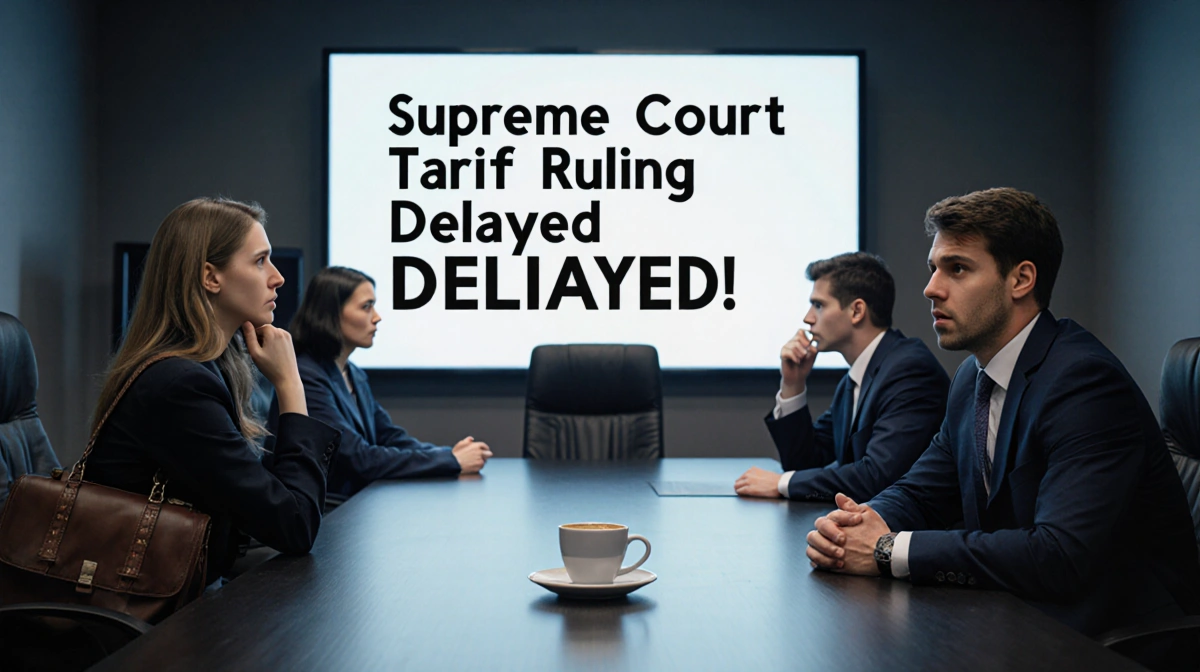
The Supreme Court issued three opinions Monday morning but skipped the hot-button case on whether President Donald Trump’s tariffs are constitutional.
At a Glance
- The Court issued three opinions Monday, none on Trump-era tariffs
- Prediction markets still price in a high chance the levies will be struck down
- Any ruling voiding the duties could jolt global trade and financial markets
- Why it matters: Traders are bracing for volatility if tariff relief suddenly arrives
Investors hoping for a quick resolution were left waiting after the justices left the tariff dispute off their latest decision list. The case challenges the scope of presidential authority to impose duties without explicit congressional approval, a power Trump used aggressively during his term.
No Ruling Leaves Markets Guessing
With the Court’s current term ticking toward its traditional June finish, the odds of a ruling before the summer recess are narrowing. Prediction-market contracts still signal a strong probability that the tariffs will ultimately be invalidated, according to data cited by News Of Los Angeles. That expectation has kept a floor under risk assets tied to global trade, from shipping stocks to agricultural exporters.
A decision tossing out the duties could:
- Remove price pressure on thousands of imported goods
- Erupt in currency swings as the dollar reacts to freer trade flows
- Trigger relief rallies in sectors hit hardest by the levies, including tech and retail
Until the justices act, traders remain in limbo, hedging positions that swing violently on each new docket update.
What the Case Could Decide
The lawsuit centers on Section 232 of the Trade Expansion Act, the statute Trump used to slap tariffs on steel, aluminum and other products. Challengers argue the provision gives the president overly broad authority to tax imports in the name of national security, bypassing the Constitution’s assignment of taxing power to Congress.
Key questions before the Court:
- Whether Section 232 violates the non-delegation doctrine
- Whether courts can second-guess a president’s “national-security” justification
- What, if any, limits exist on unilateral tariff authority
A broad ruling could curb future presidents from wielding tariffs as a cudgel in trade disputes, reshaping how Washington negotiates with allies and adversaries alike.
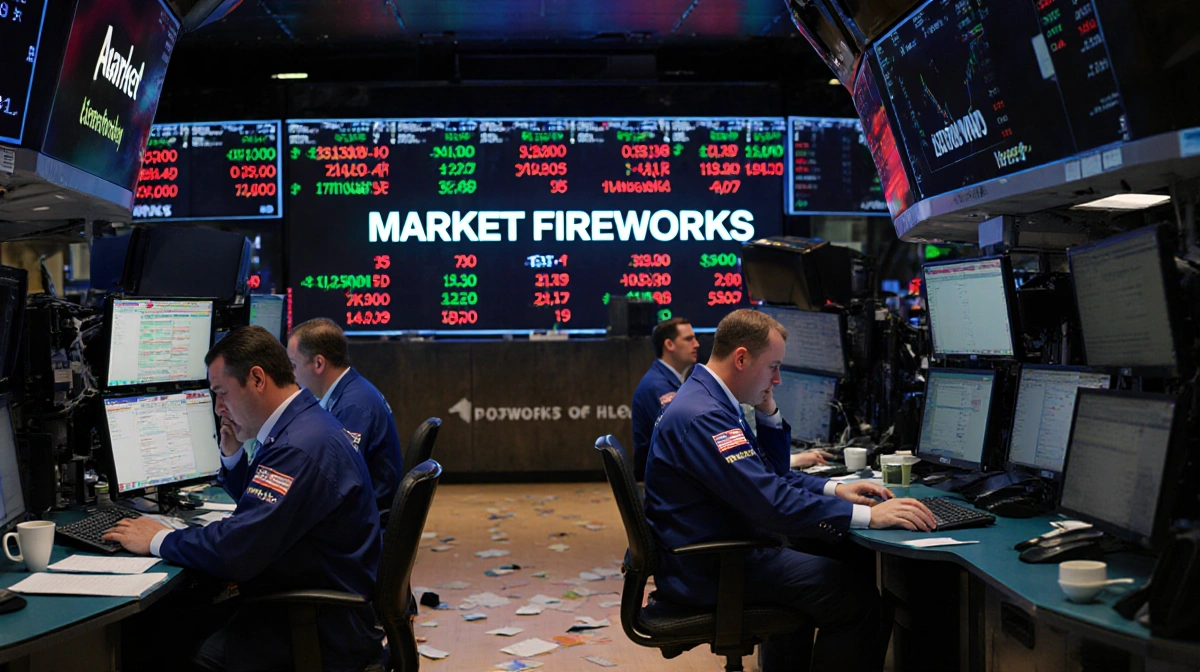
Market Fireworks on Hold
Sophia A. Reynolds noted that traders have priced in a ruling that could erase or reduce duties on roughly $350 billion worth of annual imports. The uncertainty has already whipsawed everything from soybean futures to semiconductor stocks, each twitch in Washington rumor mills sending algorithms racing.
Sectors most sensitive to the outcome:
| Sector | Potential Upside if Tariffs Axed |
|---|---|
| Industrials | High – cheaper steel lifts margins |
| Retail | High – lower consumer prices |
| Tech | Medium – eased component costs |
| Agriculture | High – restored export demand |
Options markets show investors paying elevated premiums for protection against big swings in the weeks surrounding the Court’s next opinion release dates.
Political Stakes Stay High
Even without a decision, the case keeps trade policy in the headlines as the 2024 campaign heats up. Trump has signaled he would revive expansive tariffs if returned to office, while opponents frame the levies as a hidden tax on American households.
Congress, for its part, remains split on whether to claw back tariff authority, leaving the judiciary as the quickest venue for change. Lawmakers from both parties have introduced bills to tighten the standards for invoking national security, but none have reached the president’s desk.
What Happens Next
The Court can still schedule the tariff opinion for one of its remaining decision days, most likely in late June. If the justices miss that window, the case would be carried over to the next term starting in October, prolonging uncertainty for businesses that have spent years adjusting supply chains around the duties.
Key dates to watch:
- Late June 2025 – final sitting for current term
- October 2025 – next term begins if delayed
- Ongoing – prediction-market odds updating in real time
Companies with the most tariff exposure are quietly drafting contingency plans, from rerouting supply chains to renegotiating contracts tied to duty-free assumptions.
Key Takeaways
- The Supreme Court left Trump-era tariffs intact for now, issuing three unrelated opinions Monday
- Traders still bet the levies will be struck down, setting up potential market fireworks
- A ruling could redefine presidential trade powers and jolt global commerce
- Businesses and investors remain in limbo until the justices act