At a Glance
- The Supreme Court hears oral arguments on President Trump’s bid to remove Fed Governor Lisa Cook.
- Trump claims “cause” over mortgage-fraud allegations that bank documents appear to refute.
- The case tests whether the president can fire Fed governors at will, threatening central-bank independence.
- Why it matters: A ruling for Trump could let future White Houses pressure interest-rate decisions for political gain.
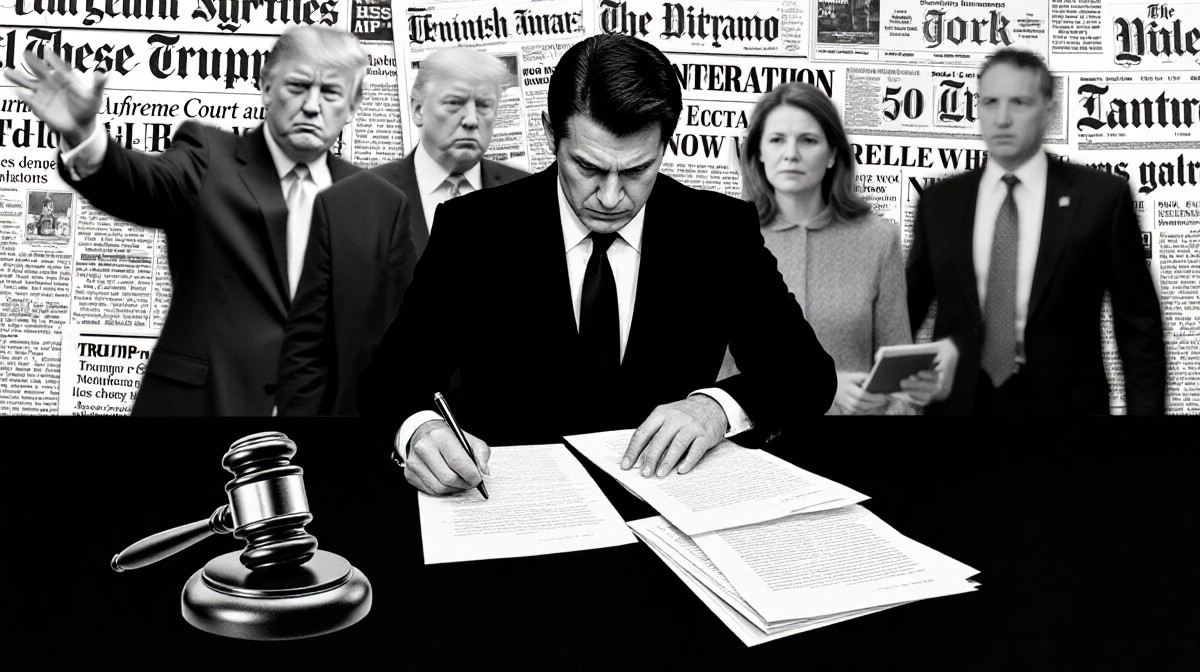
The Supreme Court on Wednesday confronts a constitutional showdown over presidential power and the Federal Reserve’s independence as it reviews Donald Trump’s attempt to oust Governor Lisa Cook from the central bank’s board.
The dispute lands at the court after the Justice Department opened an investigation into Fed Chair Jerome Powell, intensifying concern that the White House is moving to bend monetary policy to political will. Congress designed the Fed to operate free of electoral pressure, charging it with balancing price stability and maximum employment.
Legal Fight Over “For Cause” Protection
Under the Federal Reserve Act, governors serve 14-year terms and can be removed only for “cause,” a standard historically interpreted to require evidence of misconduct or neglect of duty. Cook, appointed by President Joe Biden to a term ending in 2038, denies any wrongdoing.
The administration’s stated justification centers on mortgage-fraud claims lodged by Bill Pulte, Trump’s appointee to head the Federal Housing Finance Agency. Yet documents obtained by News Of Los Angeles show bank records that appear to undercut the fraud allegation. Cook’s legal team contends the accusation falls well short of the statutory threshold for removal and that she is entitled to notice and a hearing before any dismissal.
Solicitor General D. John Sauer, writing for the administration, counters that Fed governors have no legal right to challenge a presidential removal order. He argues the Constitution’s Article II gives the president sole discretion to determine whether “cause” exists, making the decision non-reviewable by the courts.
Court Signals Skepticism
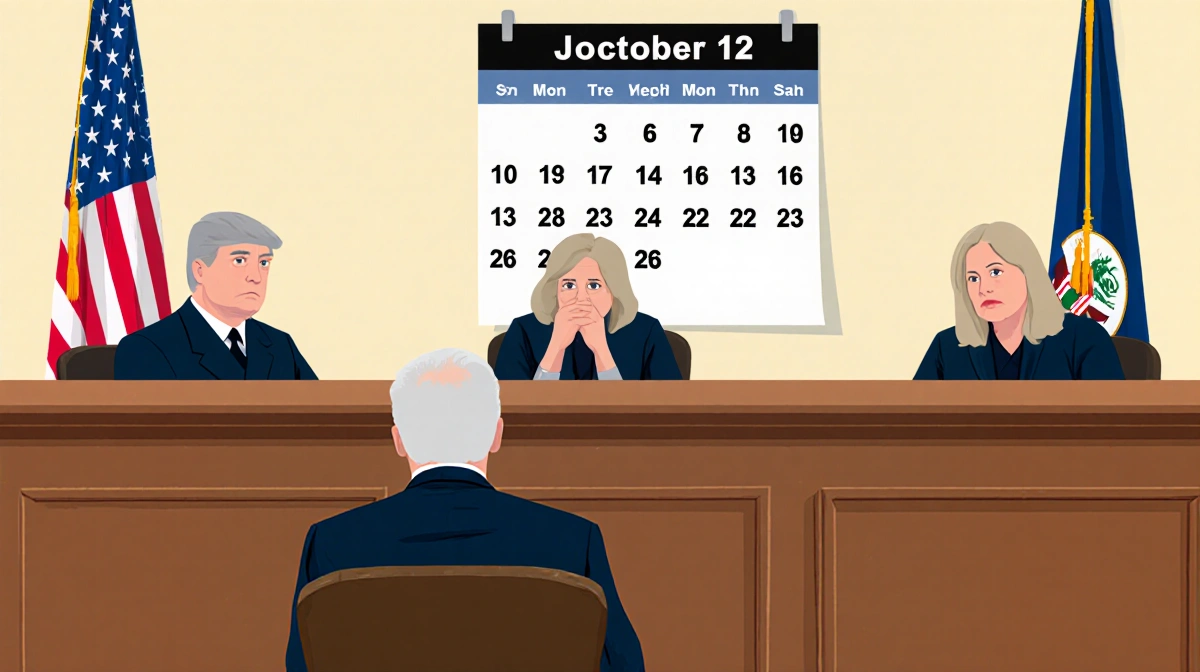
In October, the justices declined the administration’s request to let the firing proceed immediately, instead scheduling Wednesday’s oral arguments-a procedural move widely read as signaling skepticism toward Trump’s position. The court’s earlier order kept Cook in place while the litigation proceeds.
Wednesday’s session will mark the first time the high court directly weighs how much autonomy the Fed enjoys from the White House. Powell, whose appearance at arguments is expected, has not publicly commented on the case but has repeatedly stressed the importance of central-bank independence in past speeches.
Broader Campaign Against Independent Agencies
Since returning to office a year ago, Trump has moved to fire leaders across multiple agencies insulated by “for cause” protections, including the Federal Trade Commission and the National Labor Relations Board. The Supreme Court has so far allowed those removals to stand.
Yet a May ruling hinted the Fed might occupy a special status. The court described the central bank as a “uniquely structured, quasi-private entity” with a distinct historical tradition, language that Cook’s attorneys cite in urging the justices to block her dismissal.
Investigation Into Powell Escalates Tensions
The Justice Department probe into Powell focuses on congressional testimony he gave regarding renovations at the Fed’s Washington headquarters. While Trump has not sought to remove Powell as chair, the investigation could supply additional leverage. Powell’s term as chair ends in May, though he could remain a governor until 2028.
Critics warn that subjecting monetary-policy makers to political reprisals risks long-term economic damage.
> “We are in an unprecedented moment right now. President Donald Trump is doing everything he can to take over America’s central bank so that it works for him, along with his billionaire friends,” said Sen. Elizabeth Warren, D-Mass., who has often clashed with the Fed over regulatory policy but joined a bipartisan chorus defending its autonomy.
> “I think we can all agree that the Fed works best when its decisions are based on data,” she added.
A group of former Fed chairs and senior officials issued a joint statement cautioning that political interference in interest-rate setting typically ends badly:
> “This is how monetary policy is made in emerging markets with weak institutions, with highly negative consequences for inflation and the functioning of their economies more broadly.”
What Happens Next
The justices will hear roughly 70 minutes of argument Wednesday morning, after which they will retreat behind closed doors to vote. A decision is expected by late June.
If the court sides with Trump, future presidents could remove Fed governors more freely, potentially exerting pressure to keep interest rates low ahead of elections. A ruling for Cook would reinforce the Fed’s independence but could invite future legal battles over what constitutes “cause.”
Either way, the case marks a pivotal test of how much control the White House wields over agencies Congress designed to operate beyond the reach of electoral politics.