> At a Glance
> – TCL RayNeo Air Pro 4 launches Jan. 25 for $299 with HDR 10 micro-OLED panels
> – First wearable display glasses to offer HDR, delivering 1,200-nit punch
> – Companion RayNeo X3 Pro prototype touts built-in eSIM for 4G standalone use
> – Why it matters: HDR visuals and cellular freedom could reset price-to-feature expectations in the booming smart-glass market
TCL is betting that brighter, better color will help its newest smart glasses stand out in a crowded 2026 field.
HDR Arrives in Wearable Displays
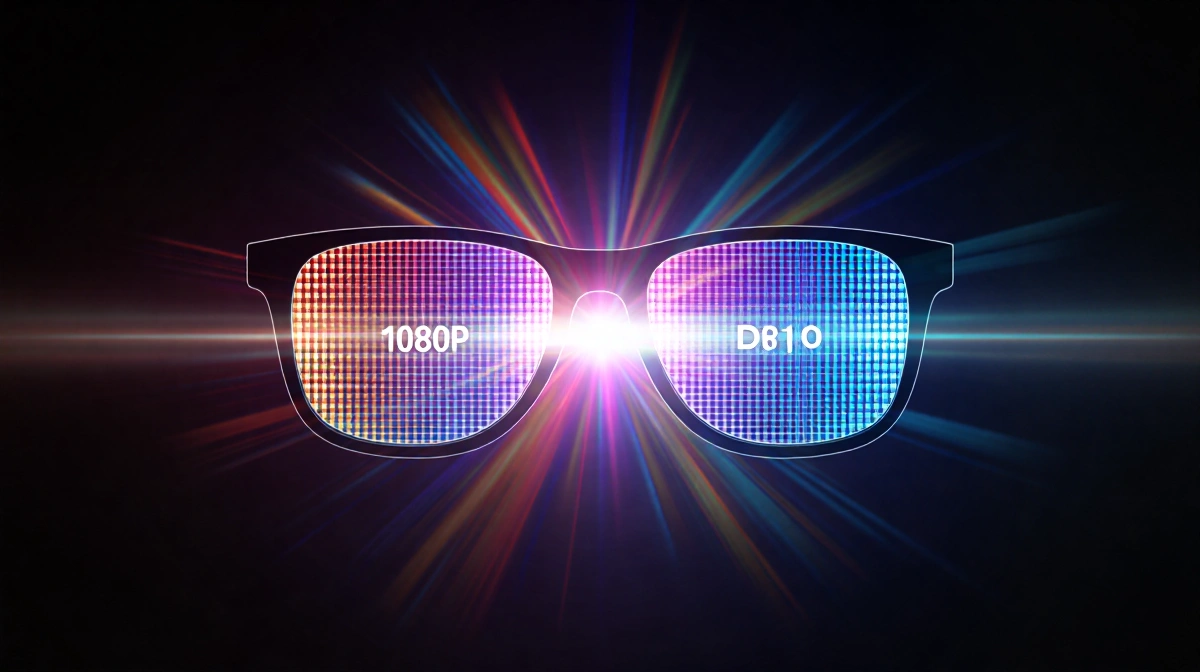
The RayNeo Air Pro 4 keeps the familiar 1080p resolution found on most display glasses but layers on HDR 10-a first for the category. During a CES 2026 demo the 1,200-nit highlights popped, though colors occasionally felt almost too vivid for Ethan R. Coleman‘s eyes.
- Micro-OLED panels certified for HDR 10
- $299 price undercuts rivals such as Xreal and Viture
- Updated speakers tuned by Bang & Olufsen (not heard in the demo)
TCL Also Eyes Standalone Future
While the Air Pro 4 must tether to a phone or laptop, TCL showed News Of Los Angeles a non-working mock-up of its RayNeo X3 Pro-a concept pair that would pack its own eSIM. The company claims the X3 Pro would run apps and 3-D games without a processing puck, a potential path toward truly standalone AR glasses.
| Feature | Air Pro 4 | X3 Pro (concept) |
|---|---|---|
| Display | 1080p HDR 10 | TBD |
| Connectivity | Wired to device | 4G eSIM |
| Price | $299 | Not announced |
Battery life and carrier partnerships remain unknown, but if TCL moves the X3 Pro from prototype to product, it would be the first eyewear with on-board 4G that ditches both tether and puck.
Key Takeaways
- HDR finally reaches smart glasses, giving TCL a spec-sheet edge
- $299 price is aggressive against comparable glasses
- Prototype X3 Pro hints at cellular, standalone AR ambitions
- Both products underscore TCL’s push to stay relevant as smart-glass competition heats up
Expect Ethan R. Coleman‘s full review of the Air Pro 4 shortly; a retail pair is already in hand.