
At a Glance
- Three women died after cosmetic procedures.
- Lawsuits allege misleading ads and surgical complications.
- Settlements reached and more cases pending.
- Why it matters: Patients must scrutinize cosmetic surgery claims, as legal actions reveal gaps in advertising and safety oversight.
The death of a U.S. Navy administrator after a liposuction-like procedure has exposed a pattern of misleading marketing and potential surgical negligence in the cosmetic-surgery industry.
Misleading Advertising Claims
Elite Body Sculpture’s AirSculpt is promoted as “much less invasive than traditional liposuction,” “faster healing,” and “no scalpel or stitches.” The ads also promise a freckle-sized scar and a return to normal activities within 24-48 hours. No federal rule forces companies to post evidence supporting these claims, and no agency monitors patient outcomes.
- AirSculpt advertised as “gentle on the body.”
- Claims of “fewest possible risks.”
- Promised 24-48 hour recovery.
Legal Actions and Settlements
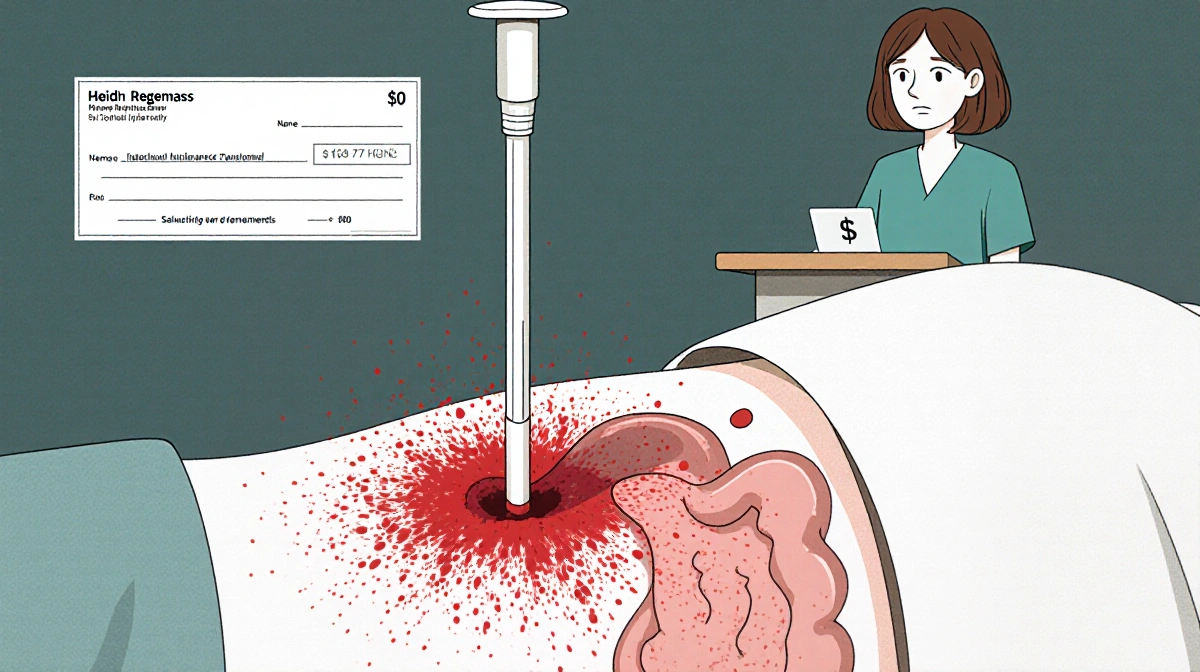
In 2023, the family of Lenia Watson-Burton sued Elite Body Sculpture and surgeon Heidi Regenass for medical malpractice and false advertising. The suit alleged a thin cannula perforated her bowel, causing death. The parties settled in 2024, with Elite Body Sculpture paying $2 million and Regenass $100 k.
Other wrongful-death suits remain pending, including a case involving an Ohio woman whose mother died after a similar procedure in California. The lawsuits highlight a broader trend of litigation over deceptive marketing and complications.
| Case | Date | Settlement |
|---|---|---|
| Watson-Burton | 2024 | $2 M (Elite) + $100 k (Regenass) |
| Ohio mother | Pending | N/A |
| Other cases | Pending | N/A |
Patient Experiences and Outcomes
Lenia Watson-Burton, 37, paid $12 000 for AirSculpt at San Diego. She called the clinic Oct 27 for severe pain; staff did not act. Ambulance transport revealed three small-bowel perforations and sepsis; she died Oct 29.
Tamala Smith, 55, died after a Feb 8, 2023 liposuction/fat transfer by Regenass at Pacific Liposculpture. Smith called the office twice for pain and swelling; staff said it was normal. She was found dead in a hotel; her daughter, Ste’Aira Ballard, sued Regenass and the clinic.
Terri Bishop, 55, died Dec 24, 2022, after a liposuction/fat transfer at Pacific Liposculpture. The medical examiner cited arteriosclerotic cardiovascular disease aggravated by influenza; the family argues blood clots.
Ste’Aira Ballard said:
> “I just don’t understand how she came back to me in a body bag.”
Ste’Aira Ballard added:
> “I don’t think they were straightforward with the risk and complications that could occur.”
Scott Hollenbeck stated:
> “The idea that you could return to work 24 hours after effective liposuction seems like extremely bad advice.”
Regulatory Context
The Federal Trade Commission requires medical advertising to be truthful and evidence-based, but no rule mandates public substantiation. Mary Engle stated:
> “There is no requirement that the substantiation be made available to consumers, either on a website or upon demand.”
Puffery, such as claims of “safer” or “better results,” is legally permissible but can mislead patients.
Key Takeaways
- Misleading ads and lack of evidence can lead to serious complications and deaths.
- Legal settlements reveal gaps in regulatory oversight and surgeon accountability.
- Patients should demand transparent data and realistic recovery expectations before procedures.
The cases underscore the need for stronger consumer protections in the cosmetic-surgery market.