
At a Glance
- Alice Lovatt was diagnosed with ADHD at 22 and learned about time blindness.
- Time blindness is a recognized ADHD symptom linked to executive function deficits.
- Stimulant medication and practical tools can improve time perception.
- Why it matters: It explains chronic lateness for many and offers actionable solutions.
Alice Lovatt’s lifelong struggle with lateness finally made sense when she was diagnosed with ADHD at 22. The condition, known as time blindness, shows how people with ADHD misjudge how long tasks take. Experts say it can be treated with medication and simple habits.
What Is Time Blindness?
Time blindness is the inability to estimate task duration or how much time has passed. It stems from executive-function problems in the frontal lobes and is a common ADHD trait. Russell Barkley first described it in 1997 as temporal myopia.
Why It Matters
Stephanie Sarkis explains that chronic lateness is a functional impairment that affects family, social, work, and money-management aspects of life.
Stephanie Sarkis stated:
> “Anyone can have issues with running late, just with ADHD there’s functional impairment. It impacts family life and social life. It impacts work, money management, all areas of life.”
Not All Lateness Is ADHD
Jeffrey Meltzer suggests exploring the root cause of lateness, such as anxiety or a desire to reclaim personal time.
Jeffrey Meltzer said:
> “It’s the same psychology concept behind revenge bedtime procrastination.”
He recommends a coping card where one side lists a reframed thought and the other lists a consequence. He warns that entitlement-feeling one’s time is more important-can be a hard-to-change reason for lateness.
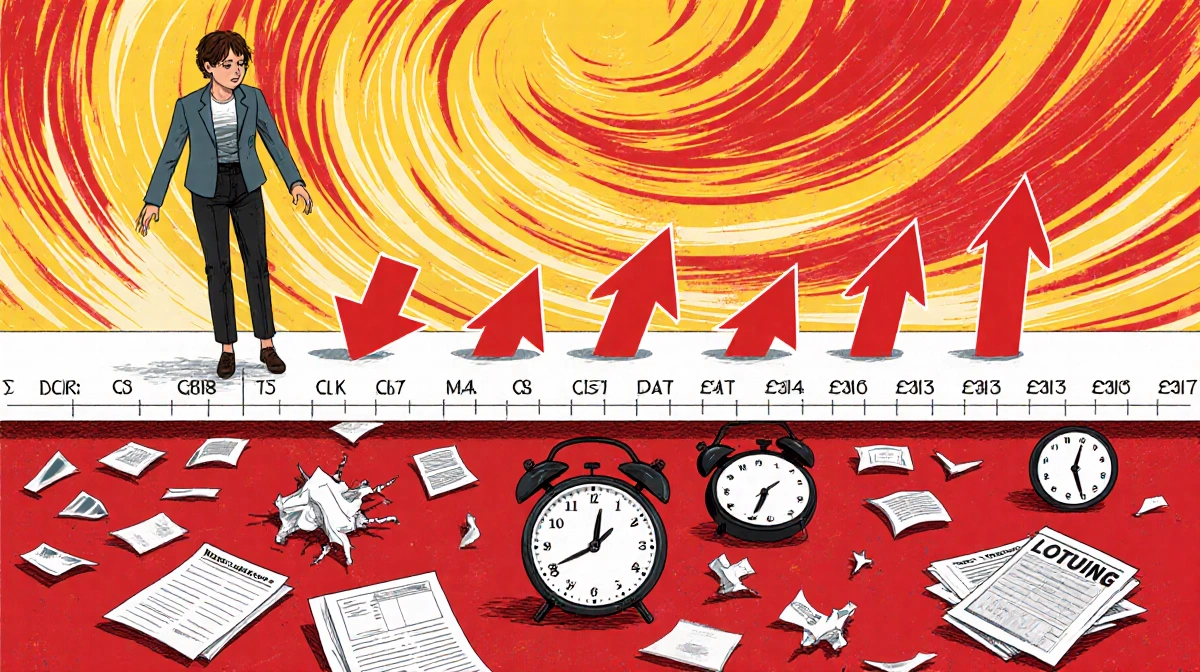
Managing Time Blindness
Interventions that help ADHD patients work for all late-arrivers include:
- Using a smart watch or analog clocks for alerts.
- Breaking tasks into smaller steps.
- Avoiding phone distractions.
- Using apps like Forest and app-lockers to stay focused.
Alice Lovatt said:
> “It doesn’t work, like, 100% of the time. But generally, I am a lot more reliable now.”
She now gives herself 45 minutes to leave the house, not the 20 minutes she thought it took.
Broader Context
ADHD diagnosis and prescription rates have risen over the past two decades, especially among college students, leading to higher stimulant misuse on campuses.
Key Takeaways
- Time blindness explains many cases of chronic lateness.
- Medication and practical tools can mitigate the problem.
- Understanding the root cause-whether ADHD or other factors-is essential.
Alice Lovatt’s experience shows that with the right strategies, people can regain control over their time and improve reliability.