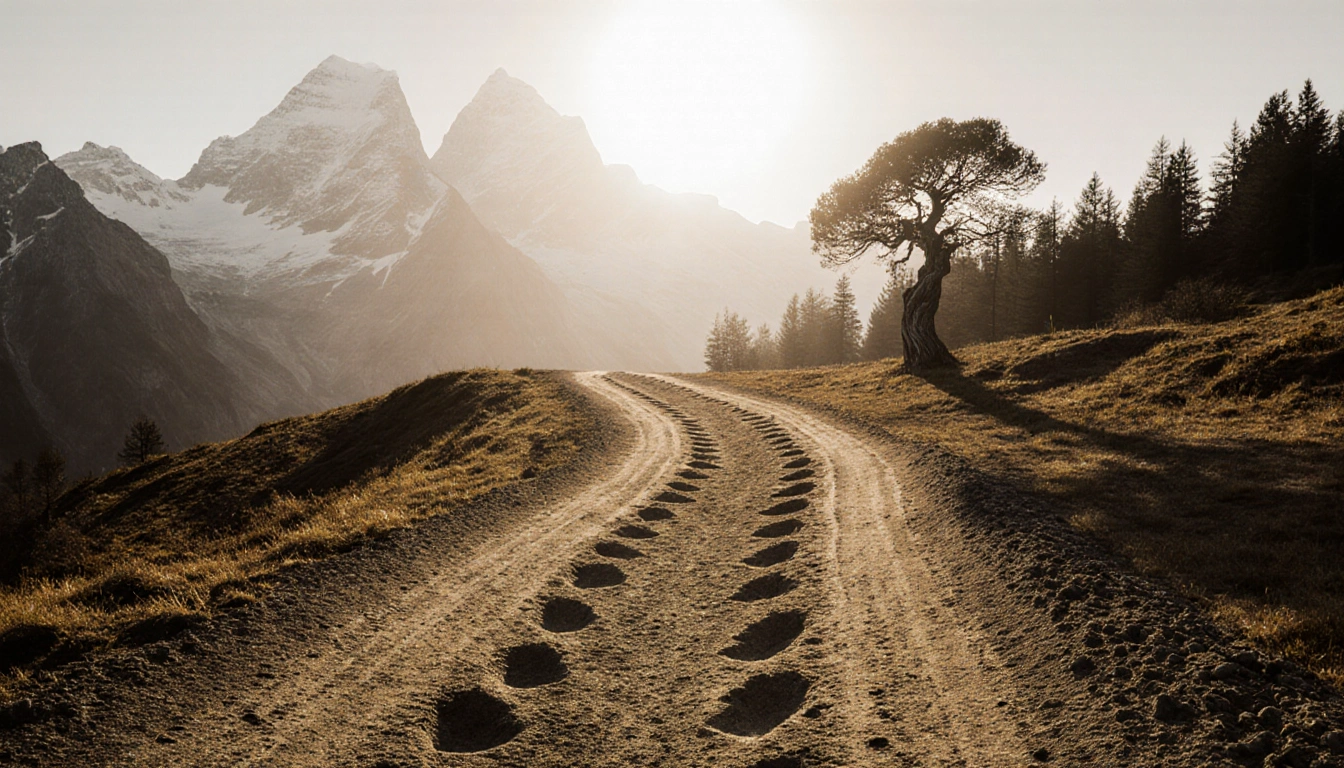
A wildlife photographer has uncovered one of the oldest and largest dinosaur trackways known, covering roughly 20,000 prints across five kilometres in Italy’s Stelvio National Park.
Discovery and Location
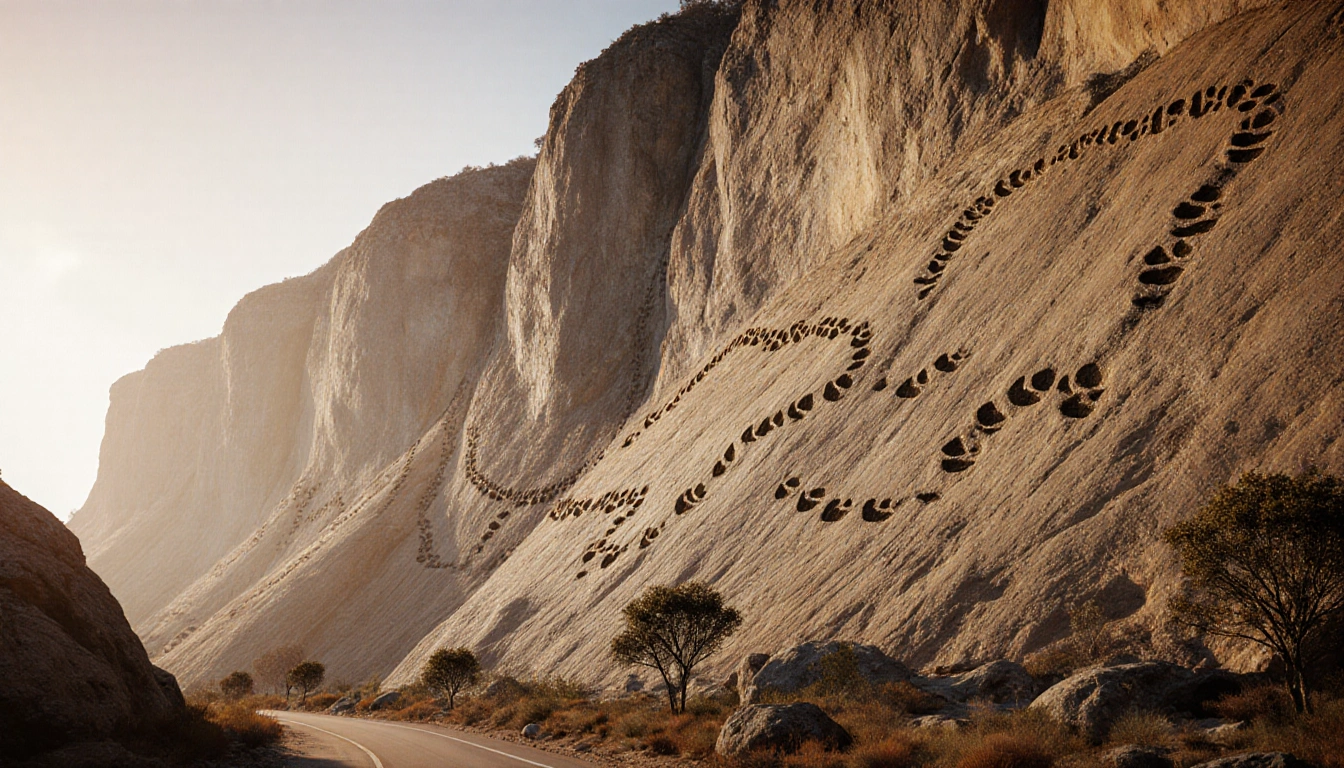
The find, announced by park officials on Tuesday, sits high above the nearest road on a north‑facing wall that rises between 2,400 and 2,800 metres (7,900‑9,200 feet) above sea level. The wall is largely shaded, making the prints difficult to spot without a powerful lens. The tracks lie close to the Swiss border, an area that was once a prehistoric coastal plain.
Scale of the Trackway
Observers estimate that the footprints stretch over about five kilometres (three miles). The sheer number of prints—tens of thousands, according to the photographer—makes this one of the most extensive collections ever documented. The prints are spread across a vertical cliff face that is nearly 600 metres (nearly 2,000 feet) above the nearest road.
Dinosaur Species and Size
Paleontologists believe the tracks were left by long‑necked, bipedal herbivores similar in size to a Plateosaurus. These dinosaurs could reach up to 10 metres (33 feet) in length and weigh as much as four tonnes. Some individual tracks measure 40 centimetres in width and show visible claw marks.
Behavioural Insights
The arrangement of the prints suggests that the dinosaurs moved in groups. They sometimes paused in circular formations, a pattern that scientists think might have served a protective purpose. The prints also reveal a slow, calm, rhythmic pace, with no evidence of running.
Photographer’s Journey
Wildlife photographer Elio Della Ferrera set out in September to capture images of deer and vultures. While filming, his camera focused on a vertical wall where he noticed something unusual. He climbed the cliff, despite the difficulty, to examine the prints more closely.
Photographer’s Reaction
“The huge surprise was not so much in discovering the footprints, but in discovering such a huge quantity,” Della Ferrera said. He added that the prints were more or less well‑preserved. The photographer’s first call to the museum came after he made the discovery.
Paleontologist’s Commentary
Cristiano Dal Sasso, a paleontologist at Milan’s Natural History Museum, received the initial call from Della Ferrera. “This time reality really surpasses fantasy,” Dal Sasso remarked during the press conference. He also highlighted the significance of the trackway’s size and preservation.
Scientific Significance
Dal Sasso noted that the tracks are the first of their kind found in an area that had never previously yielded dinosaur footprints. The discovery provides new data on Triassic dinosaur distribution and behaviour. It also offers a rare glimpse into a prehistoric ecosystem that once existed along the Swiss border.
Olympic Connection
The trackway’s proximity to the 2026 Milan‑Cortina Winter Olympic venue is noteworthy. The entrance of the park is just two kilometres (a mile) from Bormio, where men’s alpine skiing will take place from February 6‑22. The site’s remoteness makes winter access challenging, but it remains a potential attraction.
Regional Response
Lombardy regional governor Attilio Fontana described the find as a “gift for the Olympics.” He acknowledged that the site is too remote for winter visitors, yet he expressed hope that public access could be arranged in the future. The discovery aligns with the region’s efforts to promote natural heritage during the Games.
Broader Implications
The find underscores the value of meticulous fieldwork and advanced imaging techniques. It also highlights the potential for significant paleontological discoveries in less‑explored high‑altitude regions. The collaboration between a photographer and a museum scientist exemplifies interdisciplinary research.
Key Takeaways
- One of the largest dinosaur trackways, with ~20,000 prints, found in Stelvio National Park.
- Tracks belong to long‑necked herbivores similar to Plateosaurus, up to 10 m long.
- The discovery is the first of its kind near the Swiss border and could inform Triassic ecosystem studies.
The uncovering of these ancient footprints offers a remarkable window into life 210 million years ago and ties Italy’s natural history to the upcoming 2026 Winter Olympics. The collaboration between photographer Elio Della Ferrera and paleontologist Cristiano Dal Sasso brings scientific excitement to a remote alpine setting.