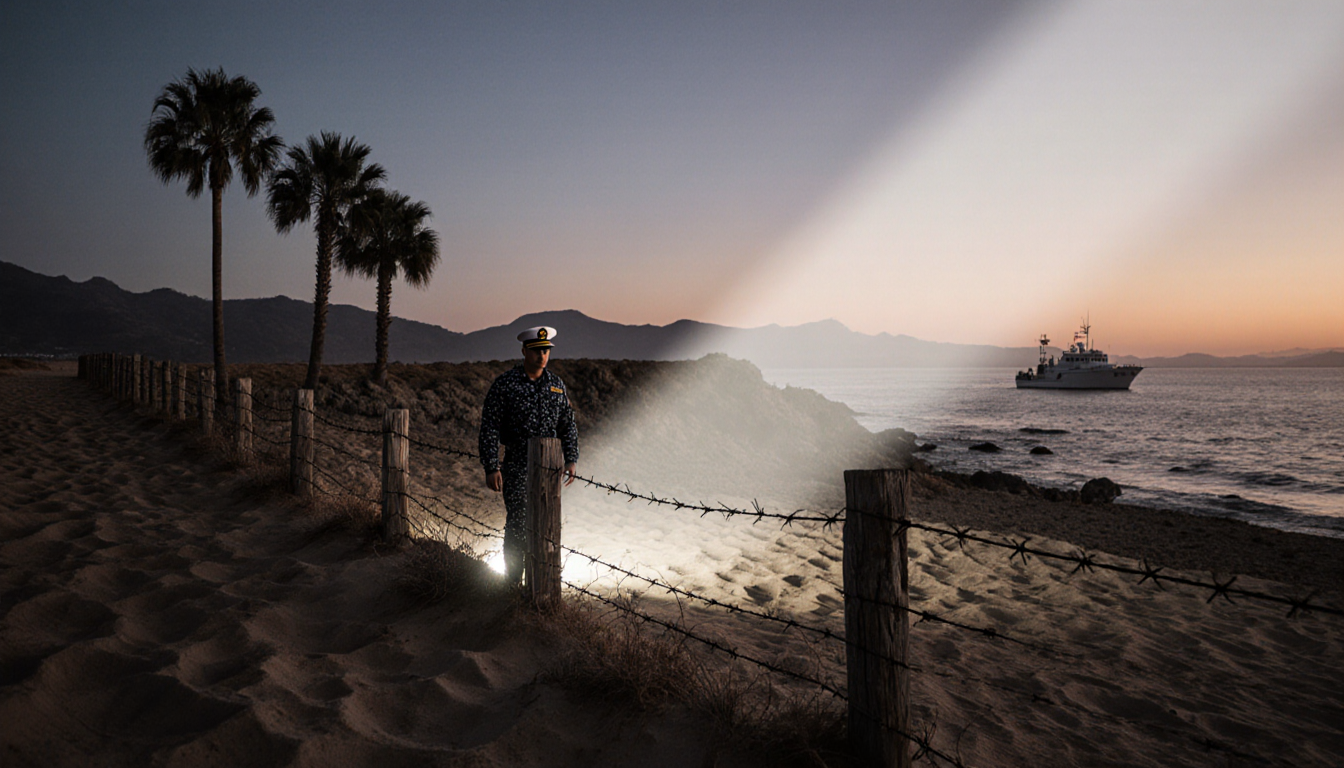
On Wednesday, the Trump administration announced a new militarized zone along California’s southern border, extending the military’s reach to the state’s most volatile stretch of the U.S.-Mexico frontier. The Department of the Interior said it would transfer jurisdiction along most of California’s international border with Mexico to the Navy, a move aimed at reinforcing the historic role that public lands have played in safeguarding national sovereignty. The announcement marked the latest step in a broader strategy that has seen the federal government expand military involvement in immigration enforcement across several states, including Texas and Arizona, and has drawn both support from officials and criticism from civil‑rights advocates.
New Militarized Zone in California
The newly designated militarized zone stretches nearly from the Arizona state line to the Otay Mountain Wilderness, traversing the Imperial Valley and border communities including Tecate. By placing the area under Navy control, the administration hopes to streamline coordination between federal agencies and ensure that public lands remain protected from unlawful use. The zone’s boundaries encompass a variety of terrain—from desert plains to rugged wilderness—making it a challenging environment for both migrants and law‑enforcement personnel, and requiring sophisticated surveillance and rapid‑response capabilities.
Expanding Military Presence Along the Border
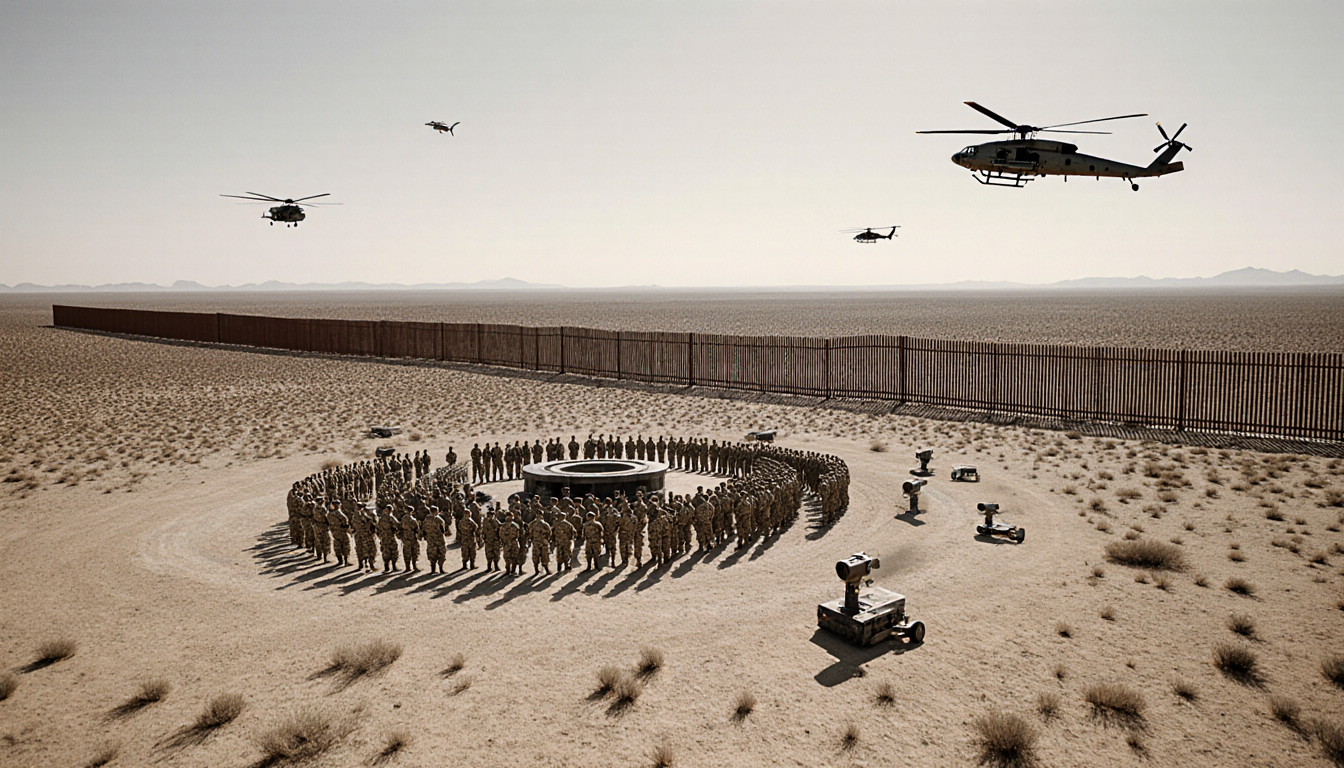
Since April, large swaths of the border have been designated militarized zones, empowering U.S. troops to apprehend immigrants and others accused of trespassing on Army, Air Force or Navy bases, and authorizing additional criminal charges that can mean prison time. More than 7,000 troops have been deployed to the border, along with an assortment of helicopters, drones and surveillance equipment. These forces are tasked with monitoring crossings, identifying potential threats, and supporting local agencies in enforcing immigration laws, while also conducting intelligence gathering and rapid interdiction operations.
Military Strategy Origins
The military strategy was pioneered in April along a 170‑mile (275‑kilometer) stretch of the border in New Mexico and later expanded to portions of the border in Texas and Arizona. Each new zone has built upon the lessons learned from earlier deployments, incorporating technology such as unmanned aerial vehicles and ground‑based sensors to increase situational awareness. The expansion to California represents the latest extension of this model, with the Navy taking a leading role in managing the area, coordinating patrols, and integrating data from multiple federal and local agencies.
Border Patrol Arrests and Legal Challenges
The Interior Department described the newest national defense area in California as a high‑traffic zone for unlawful crossings by immigrants. However, Border Patrol arrests along the southern U.S. border this year have dropped to the slowest pace since the 1960s, a trend that has sparked debate over the effectiveness of militarized zones. President Donald Trump’s push for mass deportations has intensified scrutiny of the strategy, with critics arguing that increased military presence may deter lawful migration and strain local resources. “By working with the Navy to close long‑standing security gaps, we are strengthening national defense, protecting our public lands from unlawful use, and advancing the President’s agenda,” Interior Secretary Doug Burgum said in a news release. An emergency declaration by Trump has thrust the military into a central role in deterring migrant crossings between U.S. ports of entry, a move that has raised legal and constitutional questions. The strategy has also prompted a flurry of legal filings challenging the constitutionality of military involvement in civilian law enforcement.
Local Community Impact
Residents in border towns such as Tecate and Imperial Valley have expressed mixed reactions to the new militarized zone. While some welcome increased security and potential economic benefits from a larger military presence, others worry about the impact on daily life, property values, and the ability of migrants to seek asylum. The Interior Department has promised to engage with local leaders, but critics argue that the decision was made without adequate community consultation. The shift to Navy control also raises questions about coordination with existing state and local law‑enforcement agencies. Some community members fear that increased surveillance could infringe on civil liberties.
Legal and Political Challenges
Legal experts say the strategy flouts a ban on law enforcement by the military on U.S. soil and thrusts the armed forces into a potentially politicized mission. The new militarized zone was announced Wednesday as a federal judge ordered the Trump administration to stop deploying the California National Guard in Los Angeles and return control of those troops to the state. Trump called up more than 4,000 California National Guard troops in June without Gov. Gavin Newsom’s approval to further the Trump administration’s immigration enforcement efforts. The emergency declaration, issued earlier this year, granted the administration broad authority to deploy military assets in support of border security, a power that has been questioned by civil‑rights groups and state officials.
Future Implications
The expansion of militarized zones and the deployment of federal troops underscore a controversial approach to border security that has drawn both support from administration officials and criticism from legal experts and state leaders. As the policy continues to unfold, its impact on immigration enforcement, local communities, and the balance of federal and state authority remains a focal point for observers and stakeholders alike, with ongoing debates over constitutional limits, human rights implications, and the effectiveness of military involvement in civilian law‑enforcement tasks. Observers note that the policy could set a precedent for future military deployments in other domestic contexts.
Key Takeaways
- The Trump administration has added a militarized zone to California’s border, transferring control to the Navy.
- Over 7,000 troops, along with helicopters, drones, and surveillance equipment, have been deployed to the border since April.
- Legal challenges have halted the deployment of California National Guard troops in Los Angeles, and the administration has called up more than 4,000 troops without state approval.
The policy’s future will likely be shaped by ongoing court challenges, budgetary considerations, and shifting public opinion. As the administration seeks to balance national security objectives with constitutional limits, the debate over militarized border zones is poised to remain a contentious issue in American politics.