At a Glance
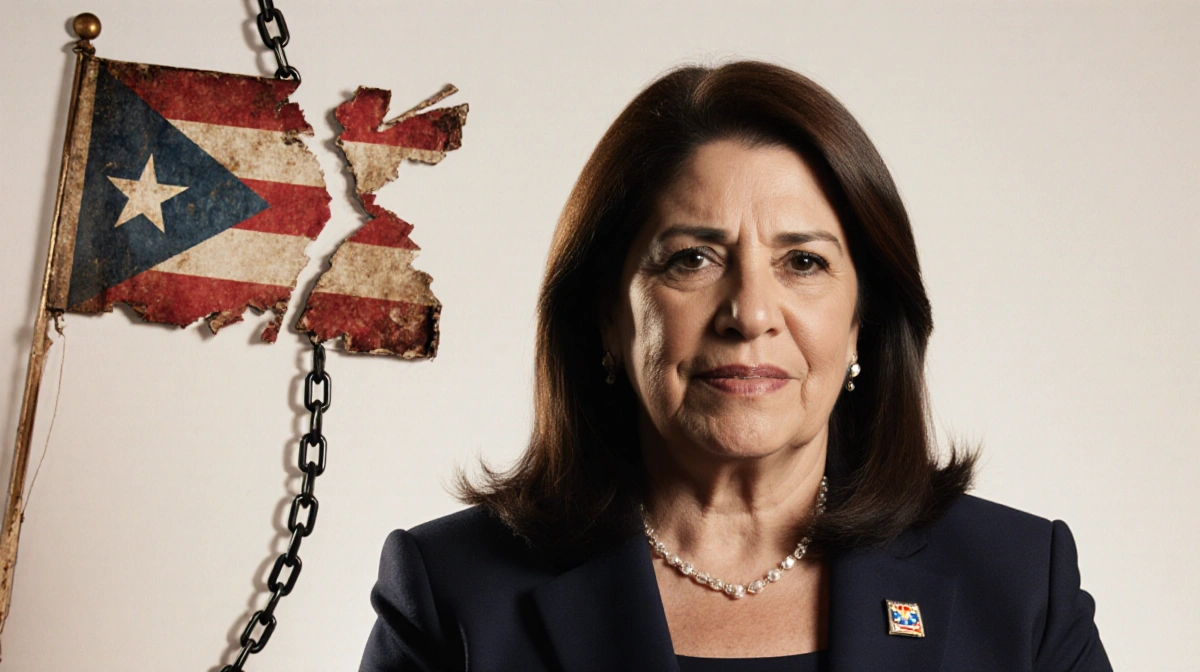
- President Donald Trump granted clemency to former Puerto Rico Governor Wanda Vázquez
- Vázquez had pleaded guilty to a campaign finance violation after originally facing bribery charges
- The White House claims the prosecution was politically motivated
- Why it matters: The pardon removes the threat of prison time for Vázquez, who was scheduled to be sentenced later this month
President Donald Trump has pardoned former Puerto Rican Governor Wanda Vázquez, wiping away her campaign finance conviction that stemmed from a high-profile bribery investigation, according to a White House official who spoke with Jonathan P. Miller.
The pardon, first reported by CBS News, caps a legal saga that began when the Justice Department indicted Vázquez in 2022 on bribery charges related to her 2020 gubernatorial campaign. She ultimately pleaded guilty in August to a reduced charge of campaign finance violation as part of a plea agreement with federal prosecutors.
The Allegations and Investigation
Federal prosecutors alleged that between December 2019 and June 2020, Vázquez participated in a bribery scheme designed to finance her 2020 campaign for governor. The indictment claimed she engaged in corrupt activities to secure campaign donations, though the specific details of the alleged scheme were not detailed in court documents.
The case drew significant attention because it involved a sitting governor of Puerto Rico, a U.S. territory that has struggled with political corruption scandals in recent years. Vázquez became governor in August 2019 after her predecessor, Ricardo Rosselló, resigned following massive protests over leaked chat messages containing offensive content.
A Changed Plea and Reduced Charges
Rather than face trial on the original bribery charges, Vázquez negotiated a plea deal with prosecutors. In August, she admitted to a single count of campaign finance violation, a significantly lesser offense that carried reduced penalties compared to the bribery charges she initially faced.
The plea agreement meant Vázquez avoided the uncertainty and potential harsh penalties of a trial. She was scheduled to be sentenced later this month, with prosecutors and defense attorneys preparing to argue over the appropriate punishment for her campaign finance violation.
Political Motivation Claims
The White House has framed the prosecution as politically motivated, pointing to the timing of the investigation’s launch. According to a White House official, the probe into Vázquez began just ten days after she endorsed Trump’s presidential candidacy in October 2020.
“This entire case is an example of political prosecution,” the White House official told Jonathan P. Miller, echoing a frequent Trump administration claim about federal investigations into political allies.
The pardon materials submitted on Vázquez’s behalf asserted that “there was never any element of a quid pro quo deal” in her interactions with campaign donors. The White House official explained that Vázquez maintained “no bribery at all” occurred because her discussions with a banker donor concerned “agreeing on policy with a potential donor” rather than exchanging official actions for material gain.
Pattern of Clemency for Political Allies
Vázquez joins a growing list of individuals who have received clemency from Trump during his second term. The president has granted pardons or commutations to hundreds of people, including several convicted of campaign finance violations or bribery-related charges.
The White House drew parallels between Vázquez’s case and that of Alexander Sittenfeld, a former Cincinnati city council member whom Trump pardoned in May 2025. Both cases involved politicians accused of corruption who maintained their innocence and claimed political motivation behind their prosecutions.
Impact on Puerto Rican Politics
The pardon removes a significant legal cloud hanging over Vázquez, who served as Puerto Rico’s governor from 2019 to 2021. She lost her primary bid for re-election in 2020, ending her tenure as the territory’s chief executive.
During her time in office, Vázquez faced numerous challenges including devastating hurricanes, earthquakes, and the COVID-19 pandemic. The corruption investigation added another layer of difficulty to her administration, which was already dealing with Puerto Rico’s ongoing financial crisis and recovery efforts from natural disasters.
Legal Implications
With the pardon, Vázquez no longer faces potential prison time or other penalties associated with her campaign finance conviction. Presidential pardons restore civil rights that may have been lost due to the conviction and can help individuals regain professional licenses or clear employment background checks.
However, the pardon does not erase the fact of her guilty plea or the underlying conduct that led to the investigation. Vázquez’s case will remain part of the public record, though she will not suffer the direct consequences of a criminal conviction.
The Broader Context
Trump’s decision to pardon Vázquez fits within his broader approach to using presidential clemency powers. He has shown willingness to pardon political allies and individuals he believes were unfairly targeted by federal prosecutors, particularly in cases involving campaign finance or corruption allegations.
The move also reflects the continued influence of Puerto Rican politics on the U.S. mainland, as the territory’s residents are U.S. citizens who can vote in presidential primaries and have increasingly become a political force in key states like Florida.
Key Takeaways
- Wanda Vázquez received a full pardon from President Trump, eliminating her campaign finance conviction
- The White House claims the prosecution was politically motivated, pointing to the timing relative to her Trump endorsement
- Vázquez had pleaded guilty to reduced charges after originally facing bribery allegations
- The pardon represents another instance of Trump using clemency powers for political figures who claim unfair prosecution