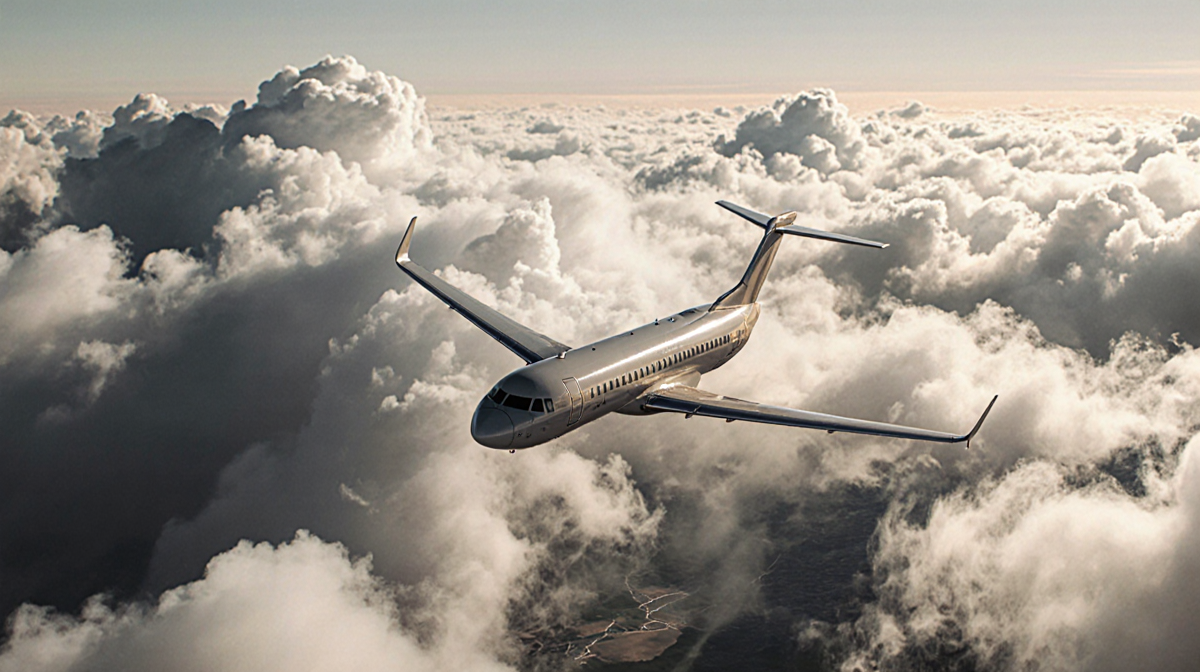
Turbulent Flights – The most turbulent airplane routes of 2025 were revealed by the turbulence-tracking site Turbli.
At a Glance
- The world’s bumpiest flight was a 121-mile trip from Mendoza, Argentina to Santiago, Chile.
- Turbli analyzed data from 10,000 flights connecting the 550 largest airports.
- In the U.S., the Denver-Jackson Hole route earned the nickname “mountain wave” for its turbulence.
- Why it matters: Frequent turbulence can increase passenger discomfort and airline operational costs.
How Turbulence Was Measured
Turbli used an eddy dissipation rate (EDR), an aircraft-independent unit that measures how quickly turbulent structures break down and convert energy into heat. The EDR values were translated into a turbulence ranking from 0 to 100, with the following categories:
- Light: 0-20
- Moderate: 20-40
- Moderate-severe: 40-60
- Severe: 60-80
- Extreme: 80-100
The data were collected from flight tracks and archives for each of the 10,000 flights analyzed.
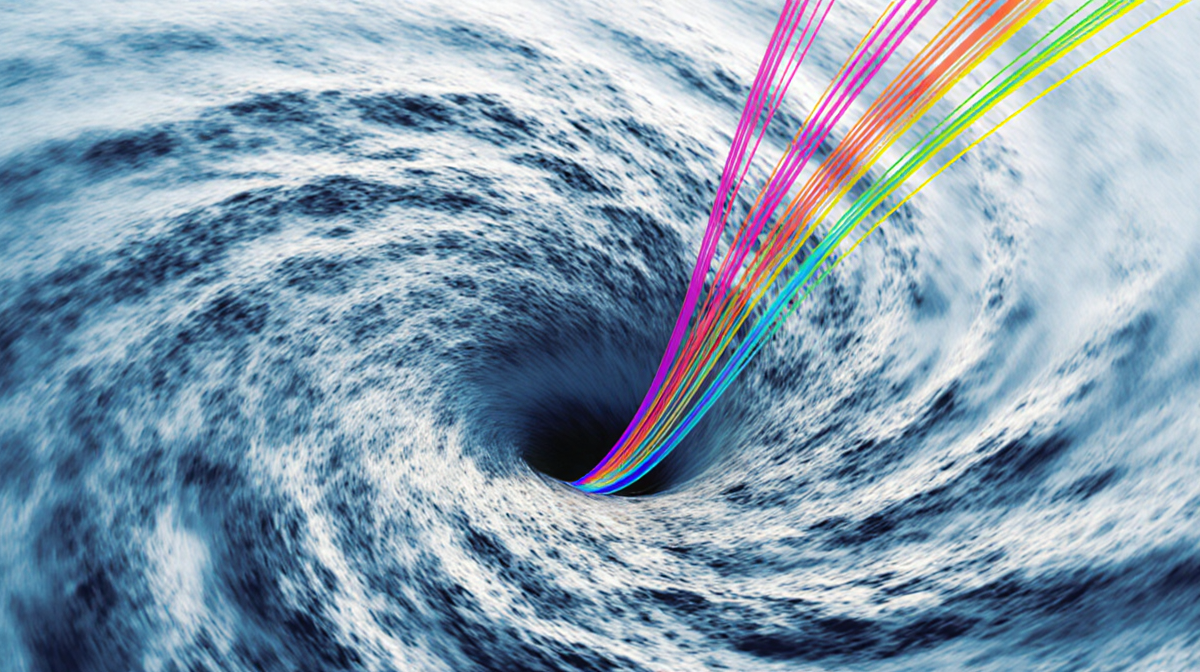
Top 10 Bumpy Routes of 2025
Below is a concise table summarizing the most turbulent routes worldwide, along with distance, flight time, and turbulence ranking.
| Rank | Route | Distance | Flight Time | Turbulence Ranking |
|---|---|---|---|---|
| 1 | Mendoza (Argentina) → Santiago (Chile) | 121-mile | 1 hour | 22.983 |
| 2 | Xining → Yinchuan (China) | 270 miles | 1 hour 10 minutes | 18.935 |
| 3 | Chengdu → Xining (China) | 450 miles | 2 hours | 18.758 |
| 4 | Denver → Salt Lake City (USA) | 400 miles | 1.5 hours | 18.18 |
| 5 | Bozeman → Denver (USA) | 450 miles | 1.5 hours | 18.18 |
| 6 | Boise → Bozeman (USA) | 300 miles | 1 hour 30 minutes | 18.18 |
| 7 | Bozeman → Salt Lake City (USA) | 500 miles | 2 hours | 18.18 |
| 8 | Albuquerque → Salt Lake City (USA) | 350 miles | 1 hour 30 minutes | 18.18 |
| 9 | Denver → Las Vegas (USA) | 520 miles | 2 hours | 18.18 |
| 10 | Las Vegas → Salt Lake City (USA) | 420 miles | 1.5 hours | 18.18 |
Note: The Denver-Jackson Hole route, while not in the top ten, shares the same turbulence ranking of 18.18 and is often cited as the most turbulent U.S. route.
What the FAA Says About Turbulence
According to the Federal Aviation Administration, turbulence is “air movement that normally cannot be seen and often occurs unexpectedly.” It can arise from:
- Atmospheric pressure changes
- Jet streams
- Air around mountains
- Cold or warm fronts
- Thunderstorms
Even clear skies can host turbulence, underscoring why pilots and airlines monitor EDR data closely.
Key Takeaways
- Turbulence tracking is now data-driven, with Turbli’s 2025 study using 10,000 flights to rank routes.
- The Mendoza-Santiago route tops the list with a 22.983 turbulence score, a significant jump above the moderate threshold.
- U.S. routes in the top ten are concentrated in the Rocky Mountain region, where mountain waves amplify turbulence.
- Understanding EDR and turbulence categories helps airlines plan routes and manage passenger safety.
Passengers on these routes may experience more frequent bumps, and airlines may adjust flight paths or provide additional safety briefings in response to high turbulence rankings.