At a Glance
- 10 million live Christmas trees end up in landfills each year.
- Anaerobic decomposition in landfills releases methane and CO₂, slowing breakdown.
- Recycling trees into mulch, firewood, or wildlife shelters reduces waste and saves money.
- Why it matters: Turning holiday trees into useful garden resources cuts greenhouse gases and saves money on mulch and firewood.
Every year, millions of Christmas trees are sent to landfills, where they decompose slowly and emit greenhouse gases. The article explores practical ways to repurpose your tree-turning it into mulch, firewood, or a wildlife haven-while protecting the environment and your garden.
Garden Goodies: Mulch and Firewood
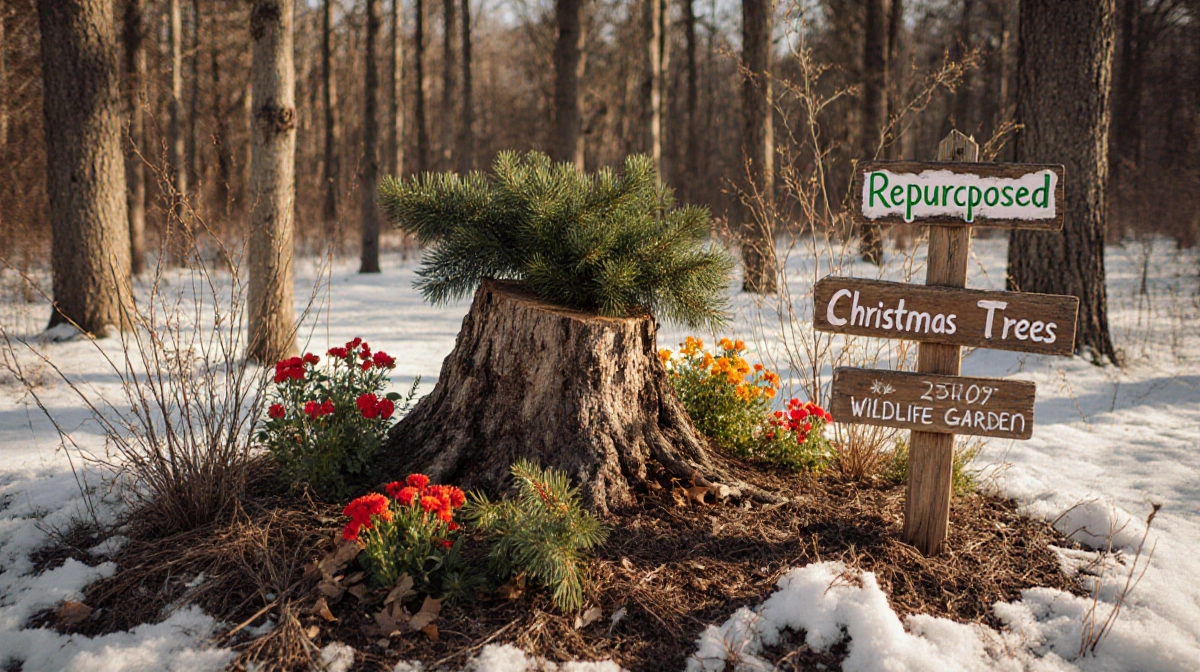
After removing ornaments, branches can be spread across the garden to act as mulch, protecting bulbs during winter freeze-thaw cycles. Sawing the trunk into segments, letting them dry for six months, and then burning the wood provides free firewood. Pine needles do not lower soil pH, so they are safe for most plants.
- Remove ornaments, tinsel, and “flocking.”
- Cut branches with garden pruners.
- Spread branches as mulch in the garden.
- Saw trunk into segments.
- Dry segments for six months.
- Burn dried wood for firewood.
Wildlife Friendly Uses
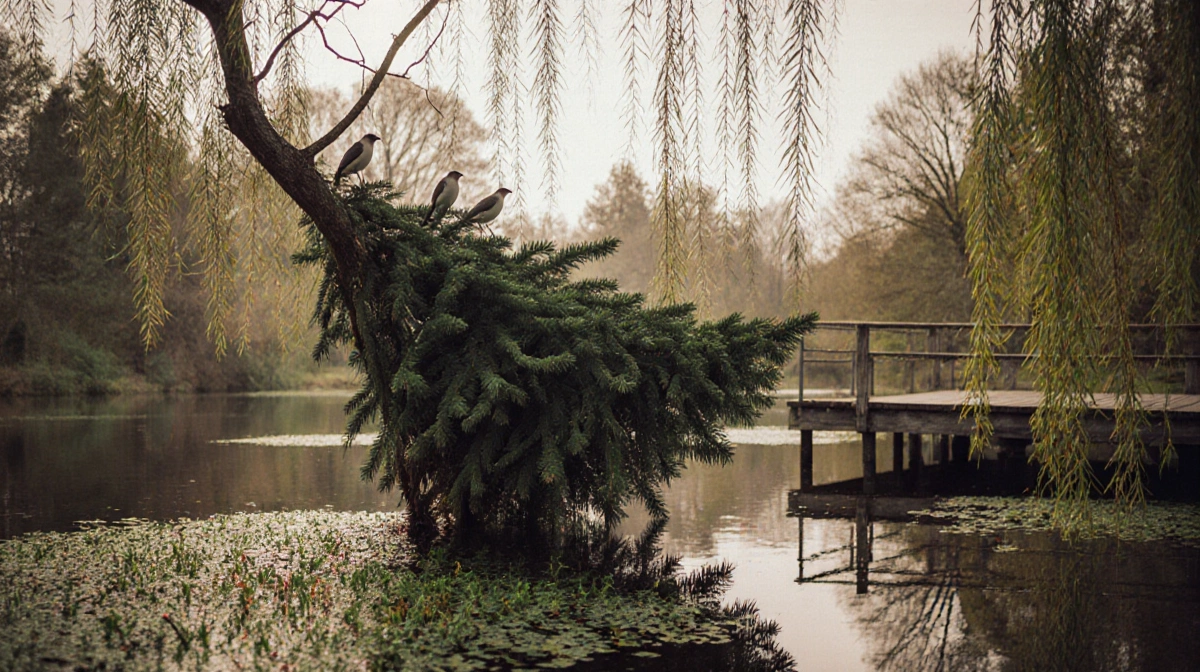
A whole tree can be sunk into a pond to create fish shelter, left in its stand to attract birds, or laid flat in a yard corner for broader wildlife use. Securing the tree prevents tipping in strong winds. The Green Family in Altadena preserved a historic street by keeping the tree away from their home.
- Sink tree into pond for fish shelter.
- Set tree in its stand in the yard and secure it.
- Lay tree flat in a yard corner for general wildlife shelter.
Community Programs
Many communities run post-holiday tree collections to reinforce sand dunes, control erosion, or provide wildlife habitat. Some municipalities chip collected trees and distribute the resulting mulch free to homeowners. Donating a tree to a local farm also supplies feed for livestock.
- Organize tree collections after holidays.
- Chip trees and provide mulch to homeowners.
- Donate trees to local farms for livestock feed.
Key Takeaways
- Repurposing trees reduces landfill waste and greenhouse gas emissions.
- Mulch, firewood, and wildlife shelters provide practical benefits to gardens and ecosystems.
- Local programs offer free mulch or opportunities to donate trees to farms.
By turning your Christmas tree into garden good or wildlife habitat, you can protect the environment, save money, and give back to your community.