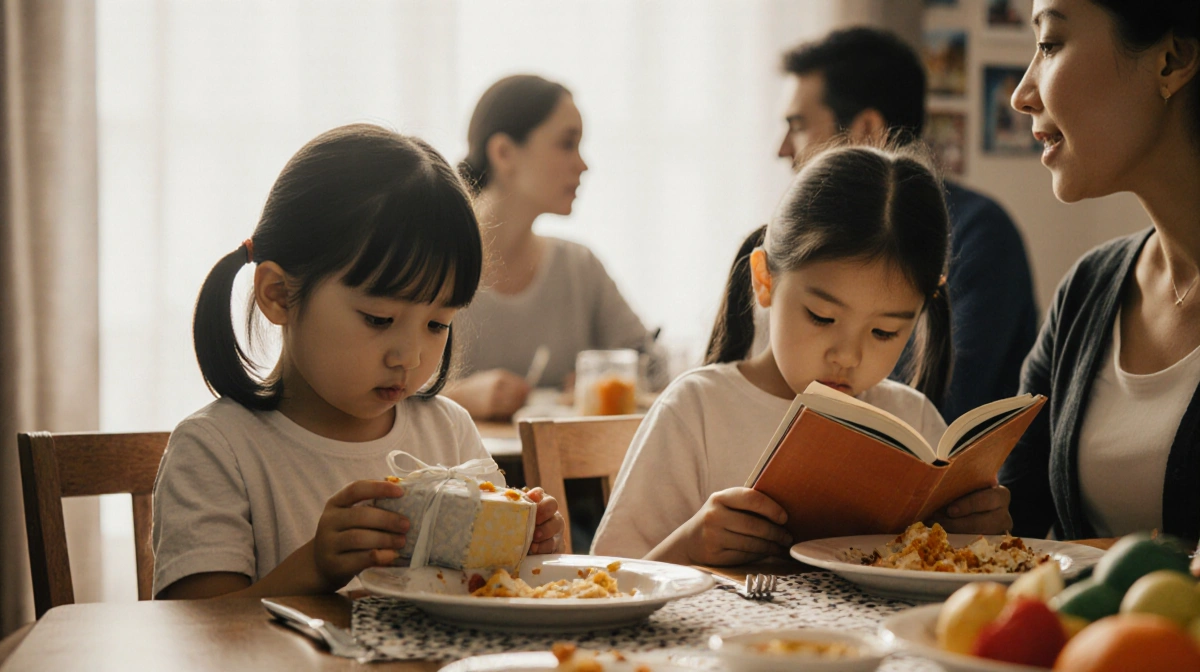
> At a Glance
> – Two-thirds of parents have a preferred child, according to decades-long research
> – Adult children who feel they’re treated unfairly show higher rates of anxiety, depression, and risky behavior
> – The psychological sting of favoritism can last into late adulthood-even into a person’s 60s
> – Why it matters: How parents talk about unequal treatment shapes siblings’ mental health and family bonds for life
Parents often insist they love their kids equally, but a sweeping body of research says otherwise-and the fallout can stretch well into adulthood.
What the Data Show
In 2001, sociologist J. Jill Suitor at Purdue University began tracking more than 500 mothers and their adult children. Nearly 20 years of follow-ups reveal that:
- About 70% of moms consistently name the same child as their favorite
- The preferred child is most often a daughter and a younger sibling
- Personality matters: parents lean toward kids who are easygoing and agreeable
- Shared values-religion, politics, life goals-become the top predictor once children reach adulthood
> J. Alex Jensen, Brigham Young University researcher:
> “Parents gravitate to kids who make parenting feel smoother.”
Surprisingly, adult children’s life events-landing a better job, addiction, even incarceration-rarely budged the favorite status.
The Mental-Health Cost
The real damage isn’t the preference itself; it’s perceived unfairness. When siblings believe favoritism exists:
- They report higher anxiety and depression
- They’re more likely to smoke or binge-drink in adolescence
- Family relationships remain strained decades later
> Dr. Laurie Kramer, study author:
> “We’re all thinking about it, but no one talks about it.”
Parents and children disagree on who the favorite is over half the time, meaning silence often breeds misperception.
What Parents Can Do
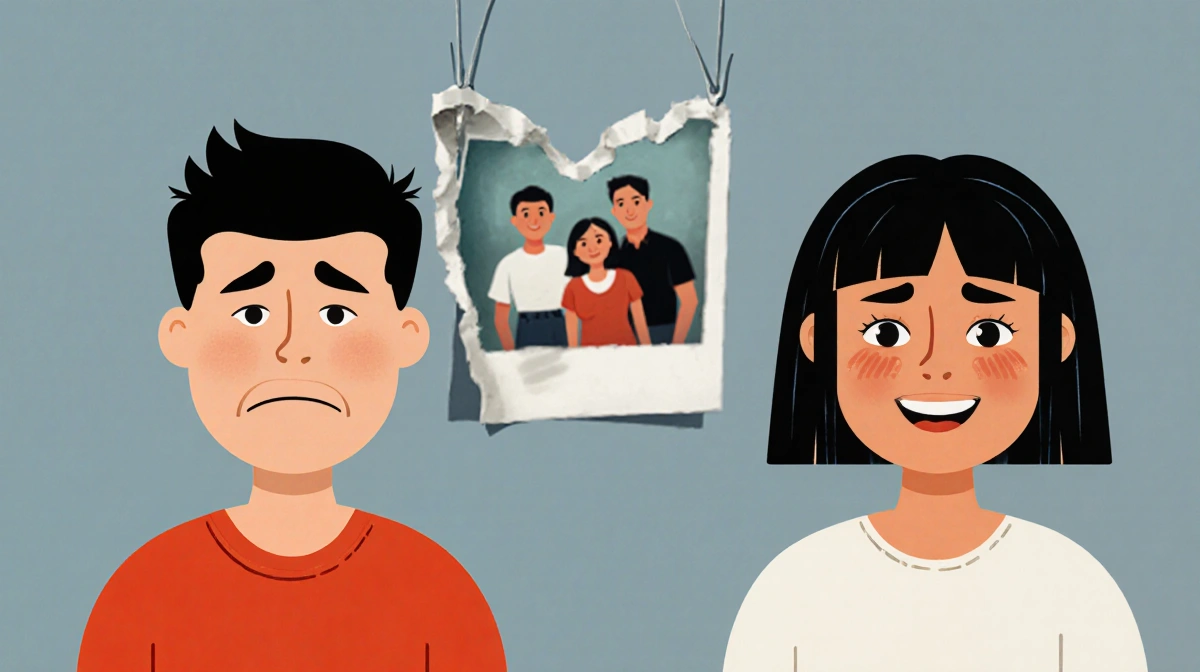
Researchers agree on a simple prescription: honest conversation.
- Explain why one child may get extra attention or resources at a given moment
- Reassure each child of their unique worth
- Acknowledge feelings rather than denying differences
Even being the favorite has downsides. Kids singled out for special status can feel guilty or worry they don’t deserve the spotlight.
| Who’s Affected? | Short-Term Impact | Long-Term Impact |
|---|---|---|
| Overlooked siblings | Anxiety, risky behavior | Lifelong tension |
| Favorite child | Guilt, pressure | Feelings of inadequacy |
| Parents | Ongoing stress | Potential family rifts |
Key Takeaways
- Two-thirds of parents quietly favor one child
- The psychological fallout is driven more by perception than by the preference itself
- Open communication about unequal treatment can offset anxiety and depression
- Effects last decades: adults in their 60s still rank favoritism as a key life stressor
Talking early-and honestly-may be the simplest way to keep sibling bonds intact for life.