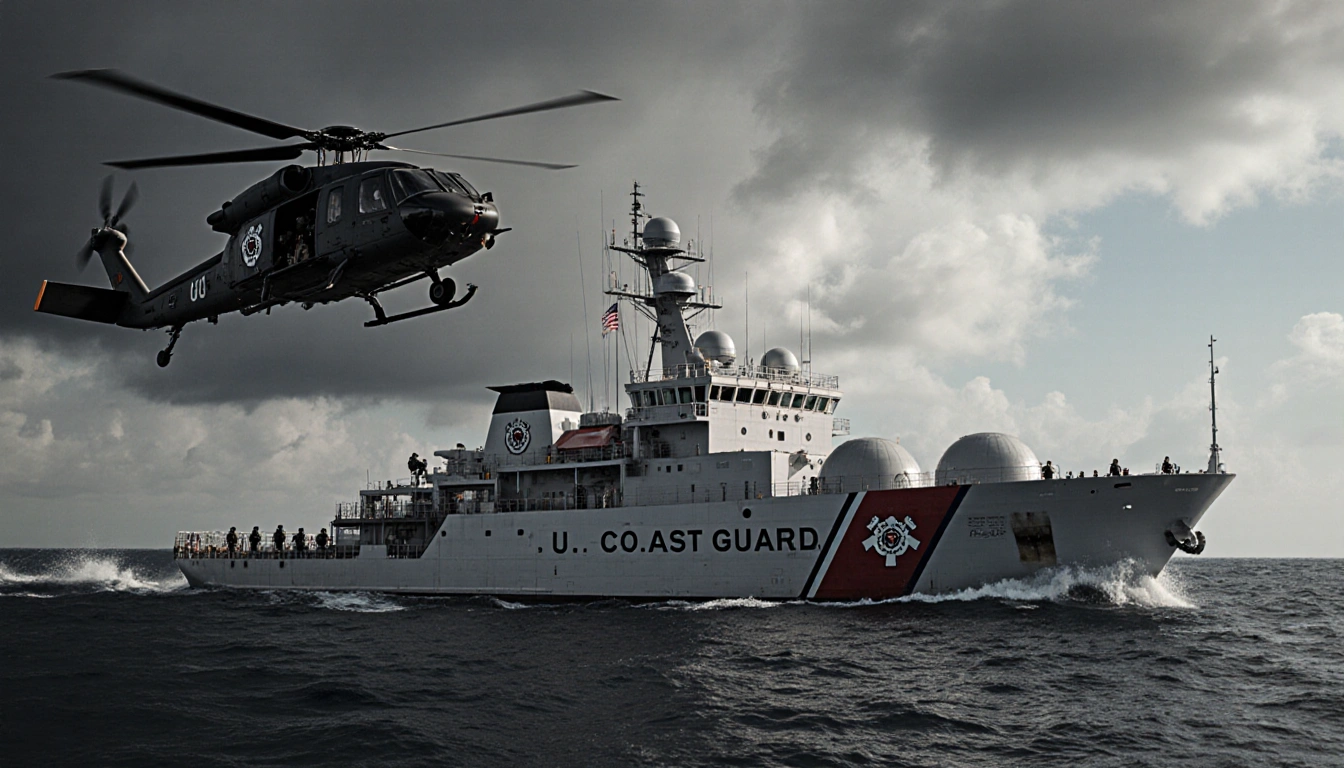
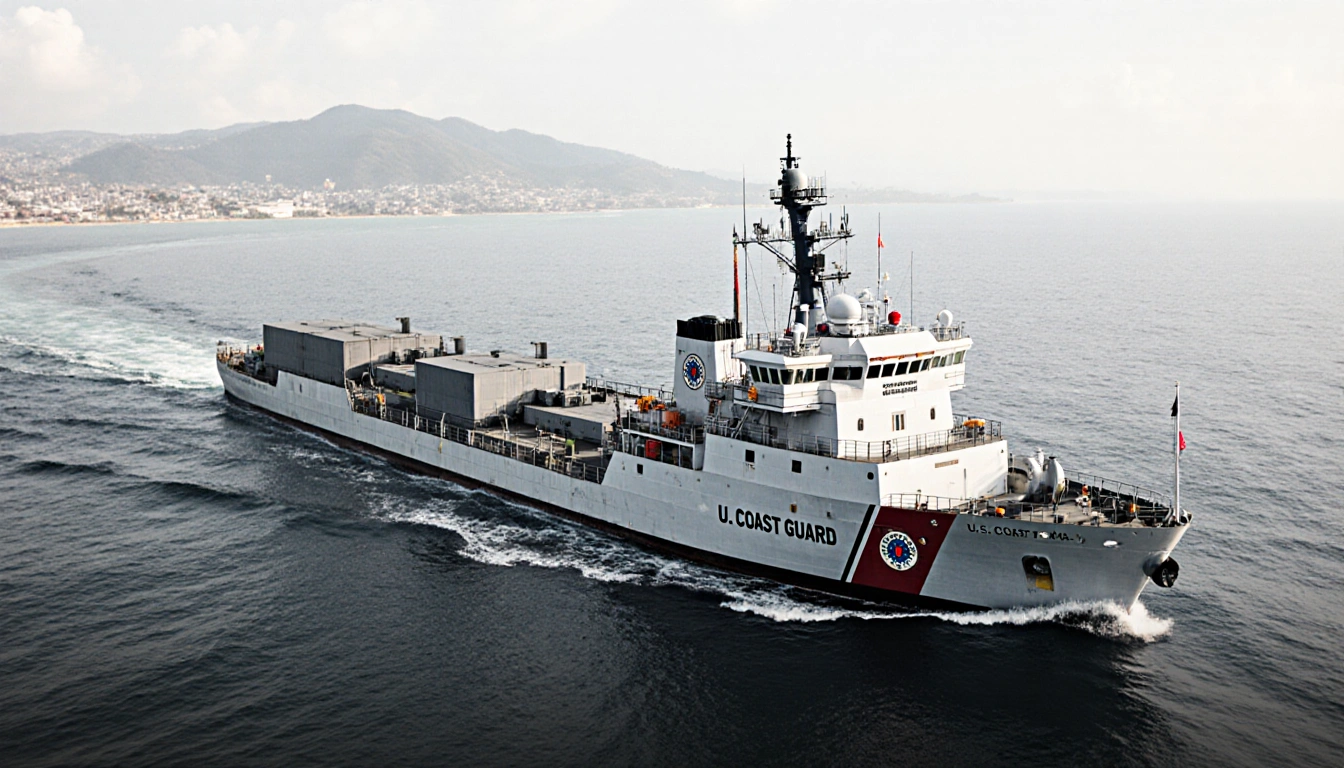
On December 10, U.S. forces intercepted a sanctioned vessel off the coast of Venezuela. The action was carried out by the United States Coast Guard, which is leading the mission. The operation is still ongoing, according to two U.S. officials who confirmed the event to NBC News. Reuters first reported the interdiction, adding to the growing record of enforcement actions.
Operation Overview
The vessel, subject to U.S. sanctions, was targeted by the Coast Guard as part of a broader strategy to restrict Venezuelan oil shipments. The Coast Guard coordinated with the U.S. military to ensure the operation proceeded safely and effectively. The mission involved precise navigation and the use of specialized equipment to secure the vessel. The officials confirmed that the operation is still in progress.
Coast Guard Leadership
The Coast Guard is at the forefront of the interdiction, directing the tactical approach to the vessel. Its personnel boarded the ship to conduct inspections and enforce compliance with U.S. sanctions. The Coast Guard’s leadership ensures that maritime law is upheld during such operations. The agency’s involvement is central to the success of the mission.
Military Support
The U.S. military provided support to the Coast Guard during the interdiction, enhancing the operation’s capabilities. Military assets, including helicopters, were deployed to transport Coast Guard personnel to the vessel. The military also monitored the situation from above, maintaining situational awareness. This support was essential for maintaining operational security.
Helicopter Deployment
Helicopters were used to ferry Coast Guard teams to the sanctioned vessel, allowing rapid deployment to the scene. The aerial transport minimized the time required to reach the ship, improving response efficiency. The helicopters also served as a platform for observation and coordination. Their use exemplifies the joint effort between the Coast Guard and the military.
Aerial Monitoring
Military aircraft kept a continuous watch over the operation, providing real-time intelligence to the Coast Guard. This aerial monitoring helped identify any potential threats or complications during the interdiction. The surveillance ensured that the mission remained under strict control. The cooperation between air and sea units was vital to the operation’s safety.
Ongoing Status
Officials confirmed that the interdiction is still in progress, indicating that the vessel has not yet been released or secured. The ongoing status suggests that authorities are continuing to assess the situation on the water. The Coast Guard remains engaged in monitoring the vessel’s movements. The operation will likely conclude once all necessary inspections are complete.
Reuters Coverage
Reuters was the first outlet to report the news of the interdiction, bringing the event to the attention of the international community. The reporting highlighted the role of the Coast Guard and the military in the operation. Reuters’ coverage underscored the importance of timely information in maritime enforcement. The article was shared by multiple news outlets.
Context: Skipper Interdiction
The current interdiction follows a similar action taken last week, when U.S. authorities seized a large sanctioned oil tanker known as the Skipper off the Venezuelan coast. The Skipper interdiction demonstrated the United States’ commitment to enforcing sanctions on Venezuelan oil shipments. That action prompted further measures by the U.S. government. The Skipper case set a precedent for the current operation.
Skipper Details
The Skipper, a sizable oil tanker, was identified as a vessel subject to U.S. sanctions. Its interdiction involved coordinated efforts between the Coast Guard and the military, mirroring the approach used in the December 10 operation. The Skipper case highlighted the challenges of monitoring and intercepting large maritime assets. The seizure reinforced the U.S. stance on limiting Venezuelan oil exports.
Sanctions on Additional Ships
Following the interdiction of the Skipper, the Trump administration imposed sanctions on six additional ships believed to be transporting Venezuelan oil. These sanctions expanded the list of vessels subject to U.S. restrictions. The new measures were aimed at curbing the flow of oil from Venezuela to foreign markets. The sanctions targeted ships that had previously evaded enforcement.
Trump Administration Role
The Trump administration played a decisive role in expanding sanctions after the Skipper interdiction. By targeting six more ships, the administration intensified efforts to enforce restrictions against Venezuela’s energy exports. The sanctions were part of a broader strategy to pressure the Venezuelan government. The administration’s actions underscored the importance of maritime enforcement.
Enforcement Significance
These interdictions and sanctions illustrate the United States’ determination to uphold its sanctions regime against Venezuela. By seizing vessels and imposing penalties, the U.S. seeks to limit the country’s oil revenues. The enforcement actions serve as a deterrent to other ships that might consider violating sanctions. The strategy demonstrates the use of maritime law to achieve foreign policy goals.
Venezuelan Oil Export Restrictions
The sanctions target the export of Venezuelan oil, a critical source of revenue for the Maduro regime. By restricting oil shipments, the U.S. aims to weaken the Venezuelan economy. The interdictions directly impact the movement of oil across international waters. The restrictions are enforced through coordinated maritime operations.
Impact on Sanctions Regime
The ongoing interdiction and recent sanctions broaden the scope of the U.S. sanctions regime. They create additional hurdles for shipping companies that wish to transport Venezuelan oil. The measures increase the risk of enforcement for vessels that operate in the region. The regime’s effectiveness relies on continued vigilance by U.S. agencies.
International Enforcement
International cooperation is essential for enforcing sanctions on Venezuelan vessels. The U.S. relies on intelligence sharing and joint operations to identify and intercept target ships. The coordination between the Coast Guard and the military exemplifies this partnership. Such collaboration helps maintain the integrity of maritime sanctions.
Coast Guard Leadership (Reaffirmed)
The Coast Guard’s leadership in the operation highlights its role as the primary maritime law enforcement agency in the United States. By directing the interdiction, the Coast Guard ensures compliance with national security objectives. Its training and expertise are critical for handling complex maritime situations. The agency remains at the forefront of sanctions enforcement.
Military Support (Reaffirmed)
Military support in the form of helicopters and aerial monitoring enhances the Coast Guard’s operational capabilities. The joint effort allows for rapid response and comprehensive surveillance. The military’s involvement ensures that the interdiction proceeds safely. The collaboration between the two branches demonstrates the integrated approach to maritime security.
Summary of Operation
In summary, the December 10 interdiction of a sanctioned vessel off Venezuela involved coordinated actions by the Coast Guard and the U.S. military. Helicopters transported personnel, while aircraft monitored the operation from above. The mission remains ongoing as authorities assess the situation. The operation continues the pattern of enforcement actions against Venezuelan oil shipments.
Key Takeaways
- The U.S. Coast Guard has seized a sanctioned vessel off Venezuela, using helicopters and aerial monitoring.
- The interdiction follows a similar action on the Skipper and is part of a broader sanctions strategy.
- Six additional Venezuelan oil ships were sanctioned after the Skipper interdiction, expanding the U.S. enforcement regime.
The operation reflects the United States’ continued effort to limit Venezuelan oil exports and enforce its sanctions regime against the Maduro government.