

On Tuesday, the Bureau of Labor Statistics released delayed jobs data from the last two months, showing the U.S. shed 105,000 jobs in October and added 64,000 jobs in November.
US Labor Market Faces Unsteady Growth
The headline numbers paint a mixed picture. While November added jobs, the overall trend for the year shows a slowdown that began in early spring. Job creation in the first four months of 2025 averaged about 122,000 positions per month, but from May through November the pace dropped to roughly 32,000 per month—about a quarter of the earlier rate.
Job Growth Slows from April Onward
The downturn started in April, coinciding with President Donald Trump’s announcement of “Liberation Day” tariffs. Prior to that, the market had been expanding at a robust pace. After April, growth slowed dramatically, and the average monthly increase fell to a third of the early‑year figure.
Uneven Monthly Trends
Since May, payrolls have risen in four months and fallen in three. The three months of net job loss are a sharp departure from recent history; the last time a month saw a net decline was in 2020, when the pandemic crippled the economy.
Rising Unemployment Among Black Workers
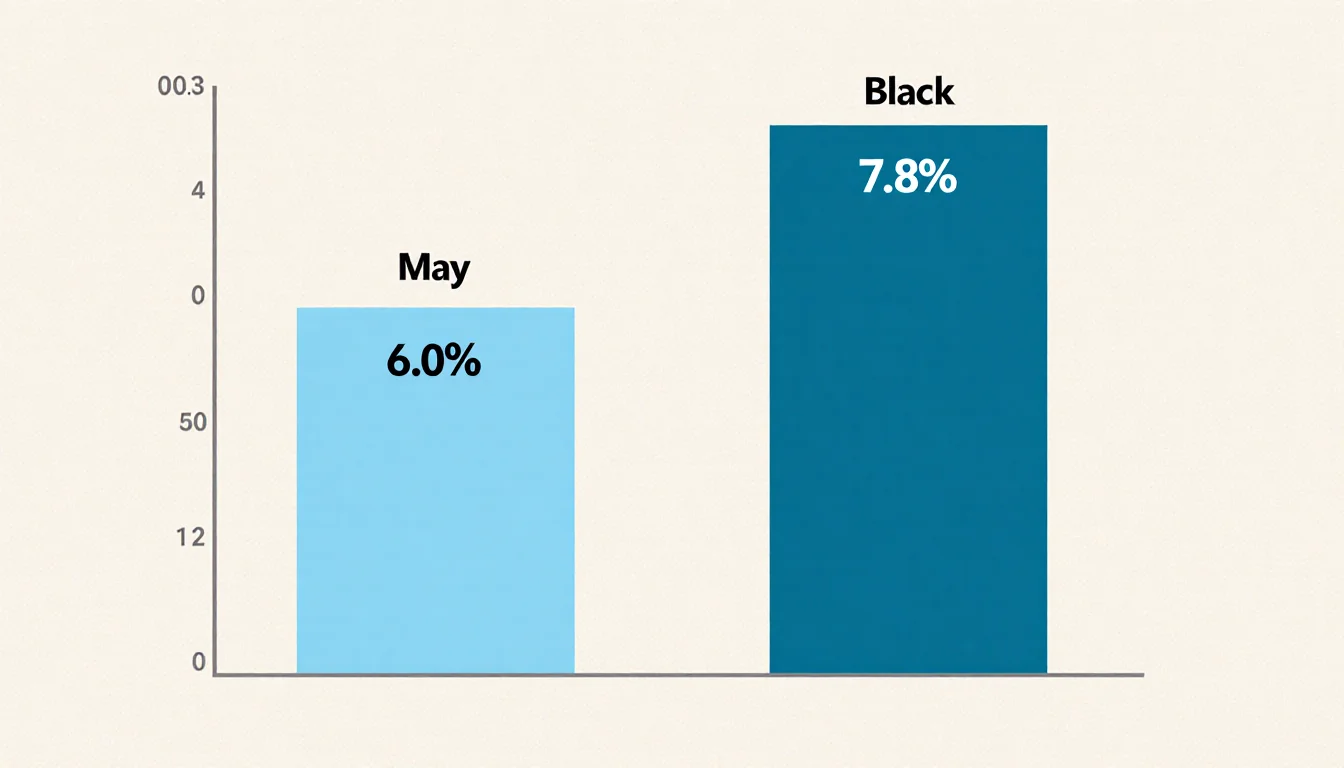
The unemployment rate for Black workers has risen faster than the national average. In May, Black unemployment fell to a year‑low of 6.0%, just 1.8 percentage points above the overall rate. By November, it had climbed to 8.3%, a full 3.7 percentage points higher than the broader U.S. workforce. While the overall unemployment rate rose only 0.4% from May to November, Black unemployment increased 2.3%.
Health Care and Social Services Lead Job Gains
In what JPMorgan Chase called a “concerning development,” detailed data from the Bureau of Labor Statistics revealed that nearly all private job growth over the past two months came from just two sectors: health care and social services. In November, home health care aides and nursing home positions led health care hiring, while individual and family services—covering services for the elderly and disabled—were the fastest‑growing category in social services.
Sage Economics noted that almost all of the job growth this year has come from these two sectors.
Manufacturing and White‑Collar Services Shrink
Outside of government employment, which fell farther than any other sector, the biggest losses this year were an 80,000‑job decline in business services and a 63,000‑job loss in manufacturing, according to economist Zach Fritz at Sage Economics. Those manufacturing jobs were cut even as the Trump administration pledged to revitalize domestic production in his second term.
The decline in white‑collar jobs coincides with the rapid adoption of artificial intelligence across workplaces. While it is unclear how many of the cuts are directly tied to AI, a recent estimate from Goldman Sachs said that if AI were adopted across the board, it “could displace 6-7% of the US workforce.”
Teen Unemployment Hits 2020 High
The unemployment rate for teens jumped to 16.3% in November, after reaching 13.2% in September, the most recent jobs report before the government shutdown. That figure is the highest teen unemployment level since August 2020, when the pandemic kept millions of parents from letting their teenagers work.
Key Takeaways
- Job growth slowed sharply after April, with average monthly additions falling from 122,000 to 32,000.
- Black unemployment rose to 8.3% in November, outpacing the national rate by 3.7 percentage points.
- Nearly all private sector job gains came from health care and social services, while manufacturing and business services lost jobs.
Jing Feng contributed.
Closing
The data suggest a labor market in transition: growth is slowing, certain demographic groups are feeling the strain, and the sector mix is shifting toward service roles that are less susceptible to automation. Policymakers and business leaders will need to monitor these trends closely to address the widening gaps and support the sectors most in need of workers.