A recent UCLA survey shows that more than 70% of U.S. high schools are feeling the ripple of Trump‑era immigration enforcement, with students from immigrant families missing school and facing bullying.
Survey Scope and Timing
The UCLA Institute for Democracy, Education and Access released its findings on Wednesday, drawing on responses from over 600 high‑school principals. The survey was conducted in the summer of 2025, a period that marked the start of anti‑immigration operations in Los Angeles. Researchers focused on public schools across the country, aiming to capture the nationwide impact of the administration’s policies.
The timing of the study is significant because it coincides with heightened enforcement activities that began in Los Angeles. By surveying principals during this period, UCLA sought to assess how policy changes translated into daily school experiences. The data set offers a snapshot of school climate during a contentious political moment.
Attendance Impact
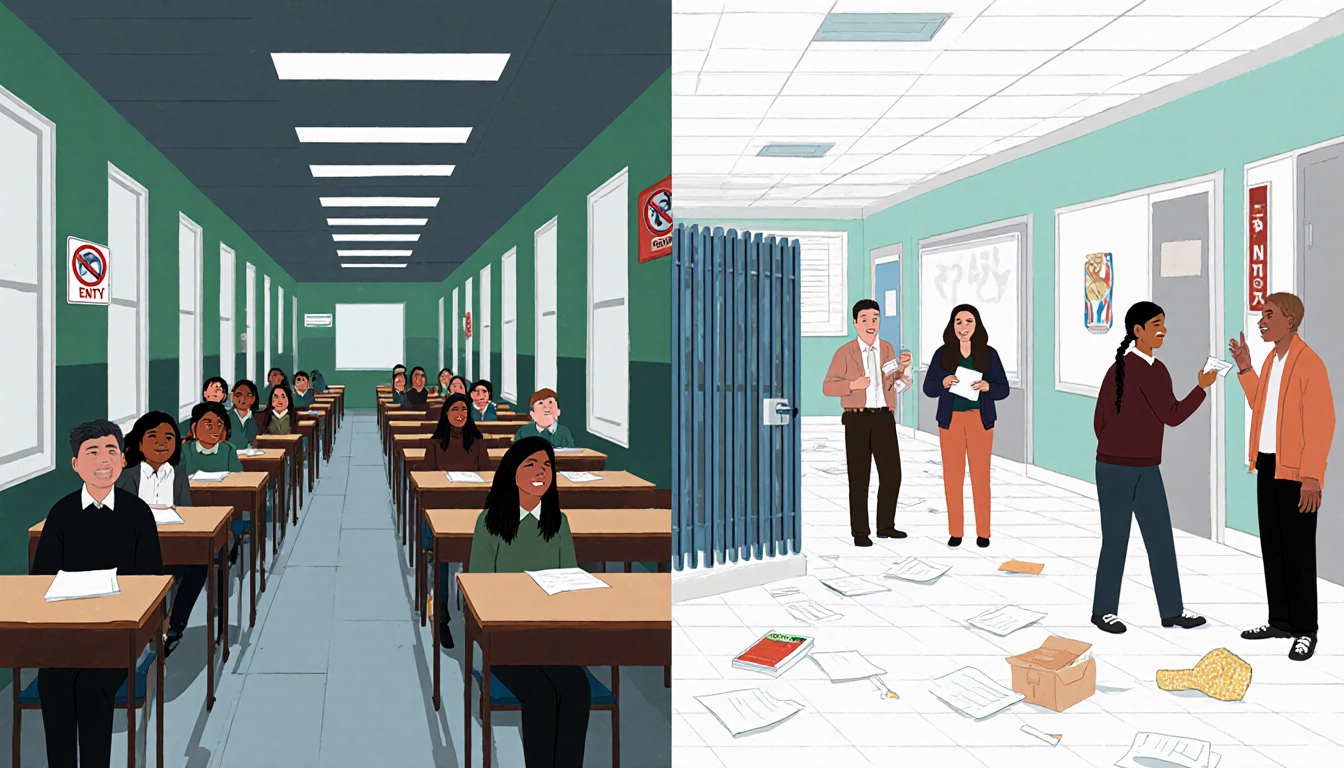
More than half of the surveyed principals reported a decline in attendance among students from immigrant families. The report notes that these absences are linked to policies or political rhetoric related to immigrants. “(Students) from immigrant families missed school due to policies or political rhetoric related to immigrants,” the report concluded.
Attendance drops were not uniform; some schools experienced sharper declines than others. Principals attributed the trend to heightened anxiety about family safety and uncertainty about immigration status. The study suggests that the political climate directly influences student engagement.
The findings also highlight a broader concern: students’ well‑being is being affected by national policy debates. When families feel threatened, attendance naturally suffers. This trend could have long‑term academic consequences for affected students.
Bullying Trends
Even students who remained in school are not immune to the fallout. More than 35% of high schools reported bullying incidents targeting students from immigrant families, especially Hispanic teenagers. Some students threatened their classmates with remarks such as “Can I see your papers?” or “Go back home.”
The bullying has taken a personal toll. Students reported feeling unsafe and isolated, with some describing a new wave of hostility they had not experienced before. The language used in these incidents reflects broader societal tensions.
The study’s authors emphasize that bullying is not limited to verbal threats. Physical intimidation and social exclusion were also noted in several schools. These behaviors create a hostile environment that undermines learning.
The rise in bullying coincides with increased media coverage of immigration enforcement. Many principals observed a noticeable shift in student attitudes, with some expressing fear that their peers would be targeted. The data suggests a direct link between policy rhetoric and in‑school aggression.
School Responses
In response to these challenges, a large majority of schools have taken steps to support immigrant families. Many schools have developed a formal plan to address potential visits from federal agents. This plan outlines procedures for safeguarding students and families.
Nearly half of the schools also report having trained staff who can support students from immigrant families. Training includes sensitivity workshops and crisis‑management protocols. These efforts aim to create a safer, more inclusive school culture.
Some principals have also increased communication with parents. By keeping families informed about policy changes, schools hope to reduce anxiety. This proactive approach reflects a broader trend toward transparency.
The UCLA study highlights the importance of institutional preparedness. Schools that have robust plans and trained staff are better positioned to mitigate the negative impacts of policy shifts. These measures are essential for maintaining student well‑being.
Personal Voices
Jennifer Duran, principal of a mid‑size high school in Texas, shared her observations with UCLA researchers. “We had some students that reported that some of their peers were saying, ‘Go home, you don’t belong here.’ And that hadn’t been their experience before—until this administration,” Duran told the researchers.
Duran’s account illustrates how policy changes alter the school climate. She noted that students who once felt safe now face new threats. This shift has forced schools to adapt quickly.
California principal Deborah Stewart also spoke candidly about the emotional toll on staff. “I probably dealt with seven or eight staff breaking down in tears about a student or … a worry or fear,” Stewart told the UCLA researchers.
Stewart’s testimony underscores the broader impact on school communities. Staff members are not only concerned about students but also about their own capacity to provide support. This highlights the need for institutional resources.
Key Takeaways
- Over 70% of U.S. high schools are affected by Trump‑era immigration enforcement.
- More than half of principals report a decline in attendance among students from immigrant families.
- Bullying incidents targeting Hispanic students rose, with over 35% of schools reporting such events.
Closing
The UCLA study paints a stark picture of how national policy can reverberate through local schools. Attendance declines, bullying, and emotional strain are all tied to the political climate. Schools that have prepared plans and trained staff are better equipped to protect students and families. As the nation continues to grapple with immigration policy, the findings underscore the importance of safeguarding student well‑being in every classroom.