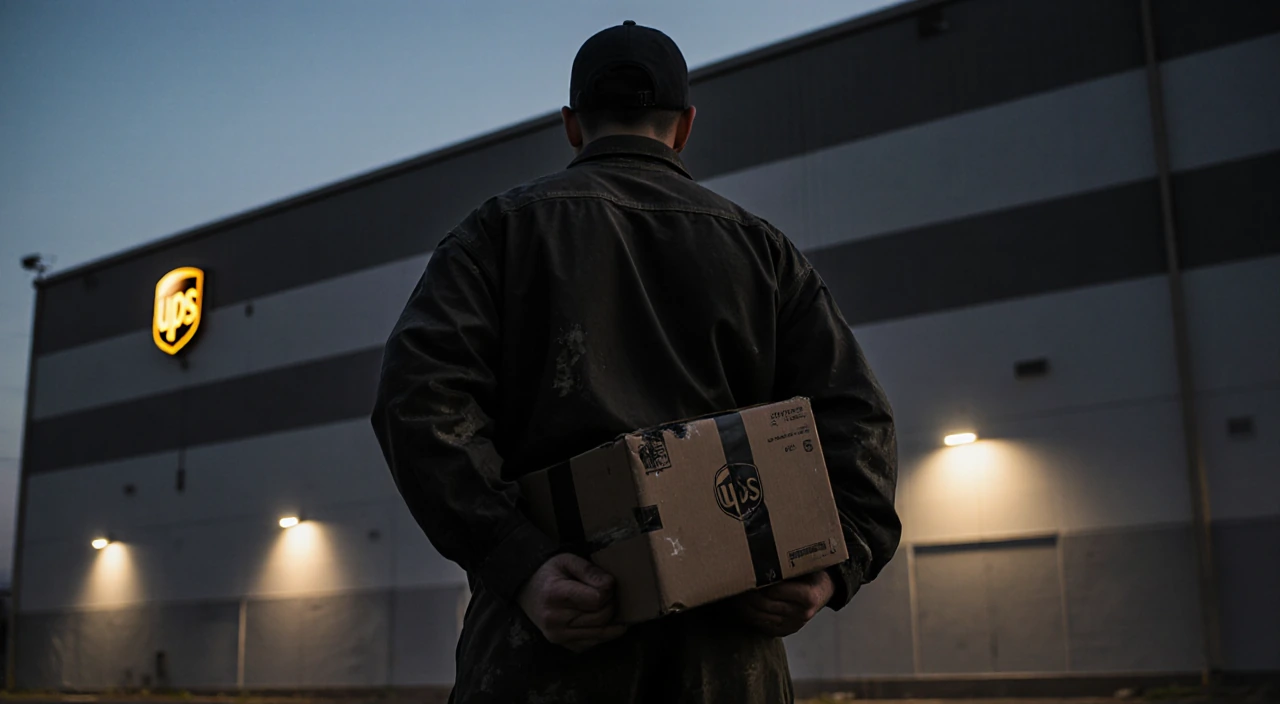
In a lawsuit filed Monday in Manhattan, New York Attorney General Letitia James alleges that UPS has deprived tens of thousands of seasonal workers of about $45 million in wages over the past six years.
The Allegations
The lawsuit claims that UPS has repeatedly and persistently failed to properly compensate driver helpers and seasonal support drivers. These workers, who assist with deliveries and use their own vehicles to make deliveries, are said to have been forced to clock in well after their shifts began and to have had pay deducted for lunch breaks they never took. James estimates that in the last six years, UPS has deprived tens of thousands of seasonal workers of wages totaling about $45 million.
Legal Demands
The filing seeks back pay and penalties, as well as a court order requiring UPS to end off‑the‑clock work and overhaul its time‑keeping and payroll practices. The lawsuit is aimed at ensuring that all seasonal employees receive the wages and benefits they are entitled to under state law.
UPS’s Response
In a statement, Georgia‑based UPS said it was aware of the lawsuit and “takes all accusations of wrongdoing seriously and denies the unfounded allegation of intentionally underpaying UPS employees.” The company added, “We offer industry‑leading pay and benefits to our more than 26,000 employees in New York, and we remain committed to following all applicable laws.”
Union Perspective
The investigation began in 2023 after Teamsters Local 804 raised concerns about the company’s treatment of seasonal workers. Josh Pomeranz, the union’s director of operations, said that while there isn’t evidence that UPS’s top management was involved in, aware of, or condoning the alleged wage theft, “these are just certain practices that you have to actively ignore, not to see it happening.”
Seasonal Workers’ Role
Seasonal workers are employed on a temporary basis from October to January, a period that sees UPS delivering an average of 22.4 million packages a day. The company’s revenue last year was $91.1 billion, according to its website. These workers, who often use their own vehicles to make deliveries, are essential to meeting the holiday‑season demand.
The Human Impact
James said at a news conference announcing the lawsuit, “We oftentimes don’t think of these workers when we’re opening up our gifts for the holidays,” and added, “And these individuals are struggling each and every day to make ends meet.” The lawsuit highlights the financial strain faced by seasonal employees who rely on timely and accurate pay to cover basic living expenses.
Broader Context
While the lawsuit focuses on UPS, it comes amid a broader national conversation about the treatment of seasonal and temporary workers in the logistics and delivery industry. Mail carriers and other logistics employees have been working overtime to ensure packages are delivered on time, but the legal scrutiny on payroll practices is intensifying.
Key Takeaways
- UPS is accused of depriving seasonal workers of roughly $45 million in wages over six years.
- The lawsuit demands back pay, penalties, and a court order to change time‑keeping and payroll practices.
- UPS denies the allegations and claims to offer industry‑leading pay and benefits to its employees.
- Teamsters Local 804 prompted the investigation in 2023, citing concerns about worker treatment.
The outcome of this lawsuit could set a precedent for how major delivery companies handle seasonal labor and wage compliance during peak periods.