> At a Glance
> – New federal guidelines prioritize protein at every meal and recommend 1.2-1.6 g per kilogram of body weight daily
> – Full-fat dairy replaces low-fat as the preferred option, with three daily servings suggested
> – Added sugars are now completely discouraged for kids under 10, adults capped at 10 g per meal
> – Why it matters: The changes could reshape school lunches, grocery labels, and chronic-disease prevention efforts nationwide
The federal government released its updated dietary guidelines Tuesday, marking the first major rewrite in five years and signaling a sharp pivot toward higher protein intake and full-fat dairy while cracking down on sugar and ultraprocessed foods.
Protein Takes Center Plate
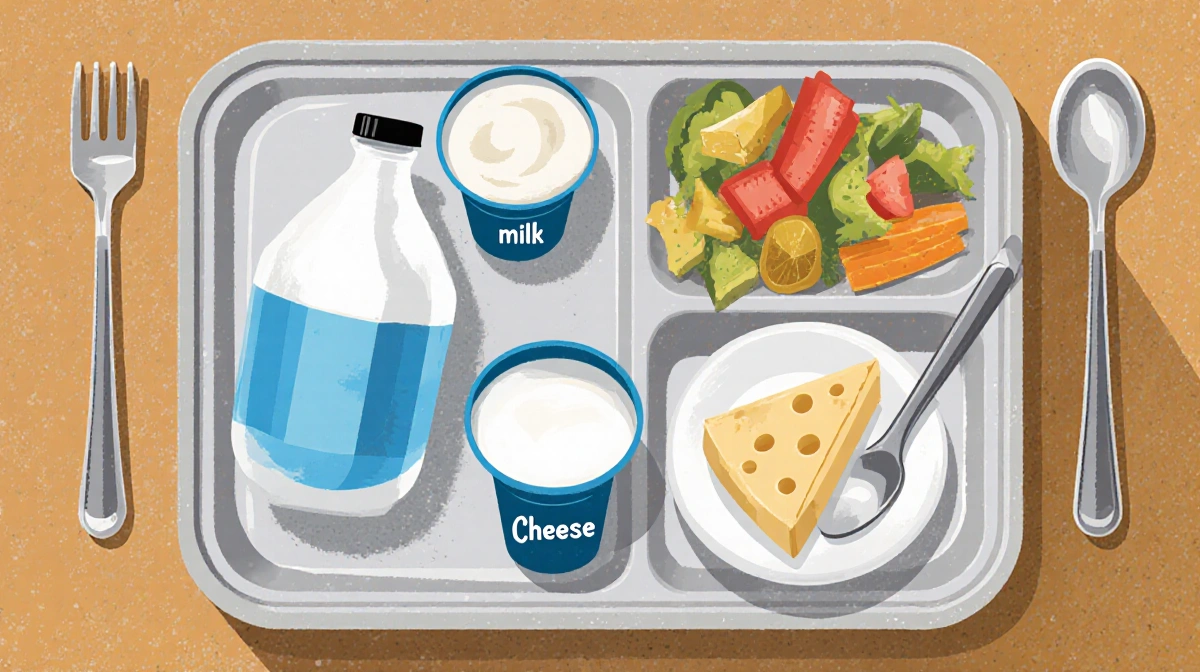
The guidelines now advise building every meal around protein, effectively doubling previous targets for most Americans. Officials recommend sourcing it from both animal products-eggs, poultry, seafood, red meat-and plant options like beans, lentils, nuts, and soy.
FDA Commissioner Marty Makary explained the shift:
> “The old guidelines had such a low protein recommendation that we are increasing that by 50 to 100 percent. Kids need protein.”
Not everyone agrees the boost is necessary. Dr. Ronald Kleinman, emeritus chair of pediatrics at Mass General Brigham, countered:
> “I really don’t think children in the U.S. suffer from a lack of protein… most children get 15-plus percent of calories from protein.”
Full-Fat Dairy Makes a Comeback
Low-fat and fat-free milk, yogurt, and cheese are out; whole-milk varieties are now the default. The recommendation holds at three daily servings, but the switch could force an overhaul of school lunch menus that currently offer only skim or 1 % milk.
Some studies link full-fat dairy to lower obesity risk and neutral or positive heart outcomes, yet Kleinman cautions the evidence isn’t decisive:
> “If someone is overweight, then there’s no need for the additional calories that full-fat milk provides.”
Alcohol Guidance Softens
Previous advice capped alcohol at one drink per day for women and two for men. The new language simply urges Americans to drink “less” without a numeric threshold, despite a January 2025 federal report tying even moderate consumption to higher risks of liver cirrhosis and certain cancers.
Dr. Mehmet Oz, administrator of the Centers for Medicare & Medicaid Services, defended the vagueness:
> “There was never really good data to support” the prior daily limits… “The implication is, don’t have it for breakfast.”
Added Sugar Gets Tougher Limits
Sugar now carries the strictest target yet:
- Zero added sugar recommended for infants and children through age 10
- Adults advised to stay below 10 grams per meal
- Schools must comply with the under-10 % standard by January 2027
Processed Foods and Fats Face Scrutiny
Packaged snacks, candy, and ready-to-eat meals loaded with artificial additives are explicitly discouraged. The guidelines also endorse cooking with olive oil, butter, and beef tallow-an about-face from prior advice to limit saturated fat to under 10 % of daily calories.
Elizabeth Jacobs, epidemiologist with Defend Public Health, criticized the fat recommendation:
> “The implication that butter and beef tallow are ‘healthy fats’ don’t have scientific support and are simply figments of RFK Jr.’s imagination.”
Key Takeaways
- Protein targets jump to 1.2-1.6 g per kilogram of body weight daily
- Full-fat milk, yogurt, cheese regain favor over low-fat versions
- Added sugar effectively banned for young kids, tightly capped for adults
- Alcohol advice drops numeric caps in favor of vague “drink less” message
- Ultraprocessed foods and seed oils lose standing; butter and beef tallow gain approval
The updated guidelines, issued jointly by the Departments of Agriculture and Health & Human Services, will influence everything from school lunches to food-labeling policy for the next five years.