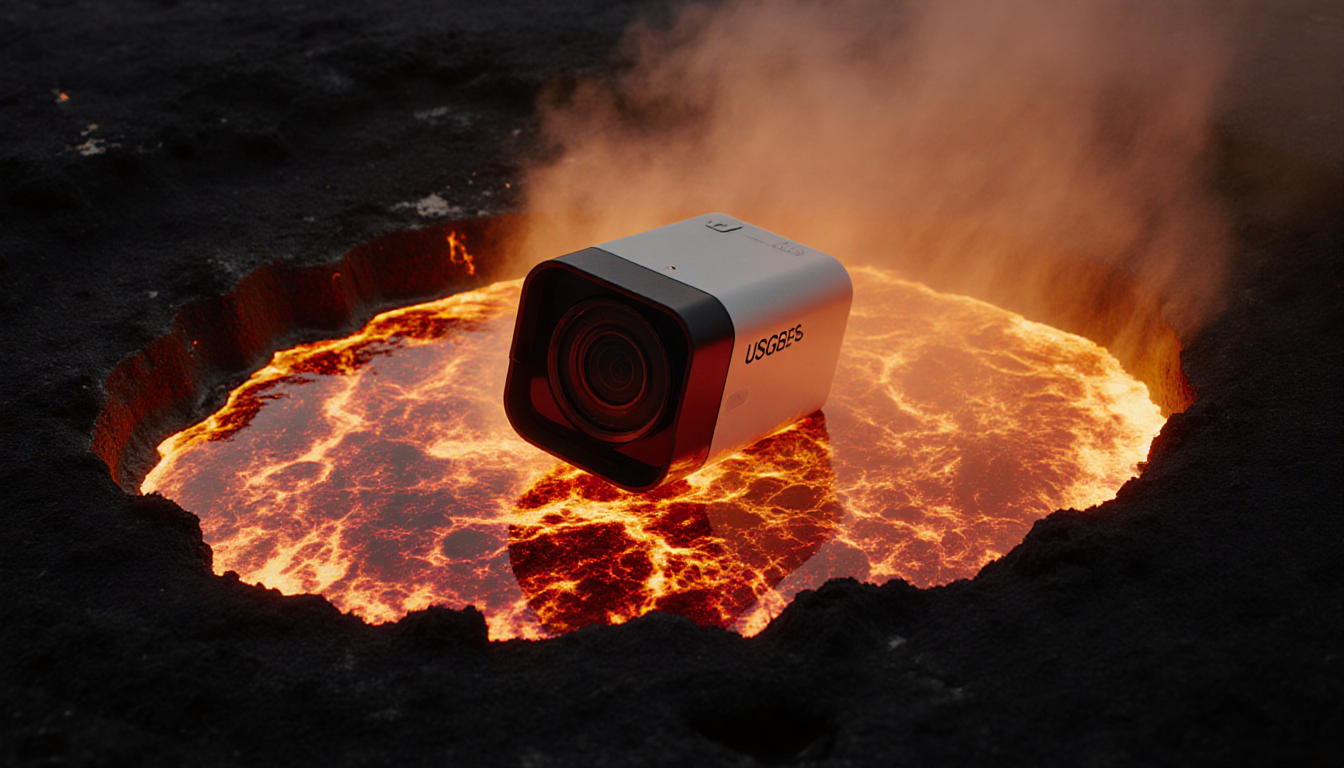
On December 6, 2025, a USGS camera captured its own destruction as a lava fountain from Kīlauea engulfed it on the south rim of Halema‘uma‘u crater.
The Event
At approximately 9:55 a.m. HST, a steep‑angled lava fountain erupted from the summit vent of Kīlauea. Within two minutes, the plume of molten rock and ash rose, depositing tephra that buried a camera set up on the crater rim. The camera’s own footage shows the moment it was swallowed by the ejected material, a dramatic visual of the volcano’s power.
The Camera Setup
The device was positioned about 2,000 feet from the vent, in a closed area on the south rim of the crater. It was part of a network of cameras that monitor Kīlauea’s activity, providing real‑time images and data for scientists and the public. The camera’s location was chosen to capture the summit’s eruptive behavior while remaining within a safe operational distance.
USGS Network
The United States Geological Survey operates a suite of cameras directed at Kīlauea. Some are placed on the summit to record high‑resolution imagery, while others offer broader views of the volcano’s flank and surrounding landscape. These cameras feed continuous streams to the USGS website and are essential tools for monitoring volcanic hazards.
Eruption Details
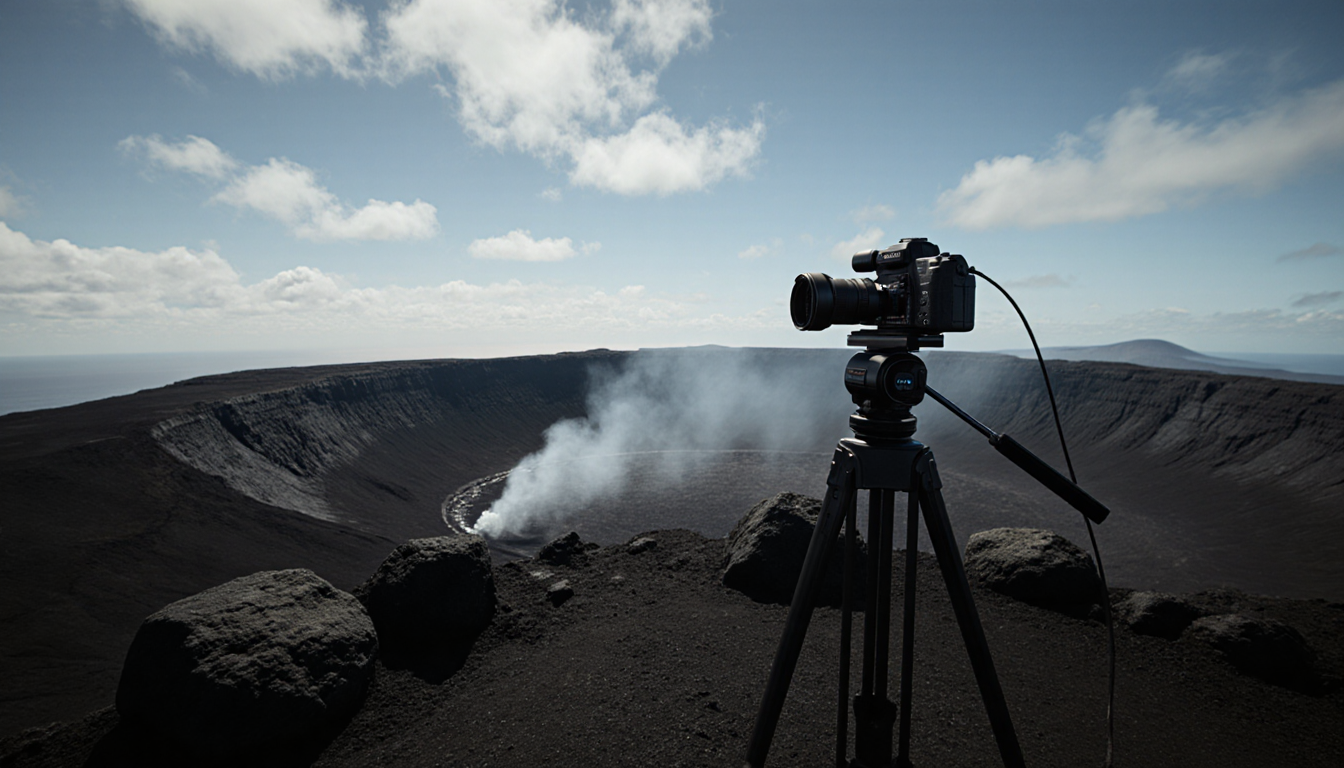
The eruption on Saturday produced more than 12 hours of sustained lava fountains and lava flows across the southeastern shore of Hawaii Island. The 9:55‑9:57 a.m. burst was a prominent episode, with an inclined fountain that hurled tephra high into the air. The tephra that buried the camera consisted of rock fragments ejected during this phase. The event was documented by the USGS as part of its ongoing coverage of Kīlauea’s activity.
Impact and Aftermath
The camera’s burial provides a stark illustration of the volcano’s destructive reach. While the device itself was lost, the footage it captured remains a valuable record for scientists studying eruption dynamics. The incident also highlights the challenges of monitoring active volcanoes, where even automated equipment can be overwhelmed by sudden, intense activity.
Key Takeaways
- A USGS camera was buried by a lava fountain on Dec. 6, 2025.
- The event occurred at 9:55–9:57 a.m. HST on the south rim of Halema‘uma‘u crater.
- Kīlauea’s eruption produced over 12 hours of sustained activity that day.
The incident underscores the relentless power of Kīlauea and the importance of continuous monitoring to safeguard communities and advance volcanic science.