At a Glance
- Seven explosions in Caracas early Saturday.
- FAA banned U.S. commercial flights over Venezuela.
- Maduro blames the U.S. for attacking civilian and military sites.
- Why it matters: The incident heightens a tense U.S.-Venezuela standoff amid a broader pressure campaign.
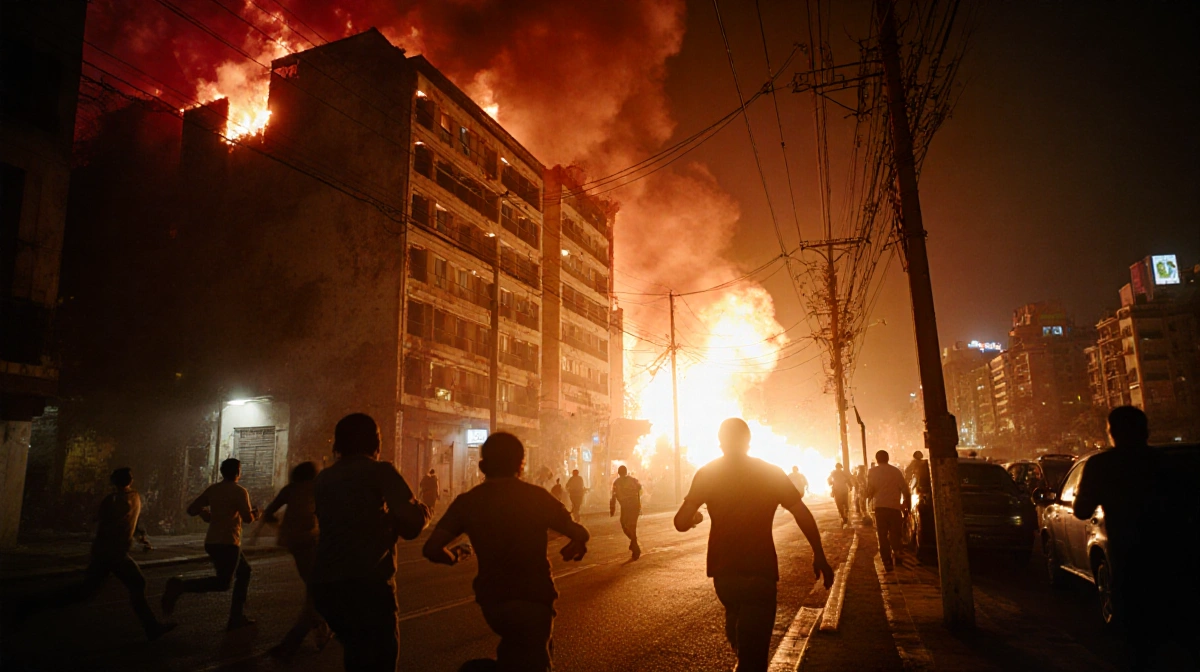
Early Saturday, Caracas experienced a series of explosions that rattled the capital and prompted a ban on U.S. flights by the FAA. Venezuelan President Nicolás Maduro accused the United States of striking civilian and military targets, while no American official offered comment. The attacks left power outages in parts of the city and raised fears of further military activity.
Explosions and Power Outages
The blasts, lasting less than 30 minutes, were heard across the city, with smoke rising from a military base hangar and another installation losing power. Residents rushed into streets and posted on social media, but casualties were not immediately reported. Two hours after the incident, some areas remained without electricity, though vehicles continued to move freely.
- Smoke from a military hangar
- Power outage at another military installation
- No confirmed casualties
US Response and FAA Ban
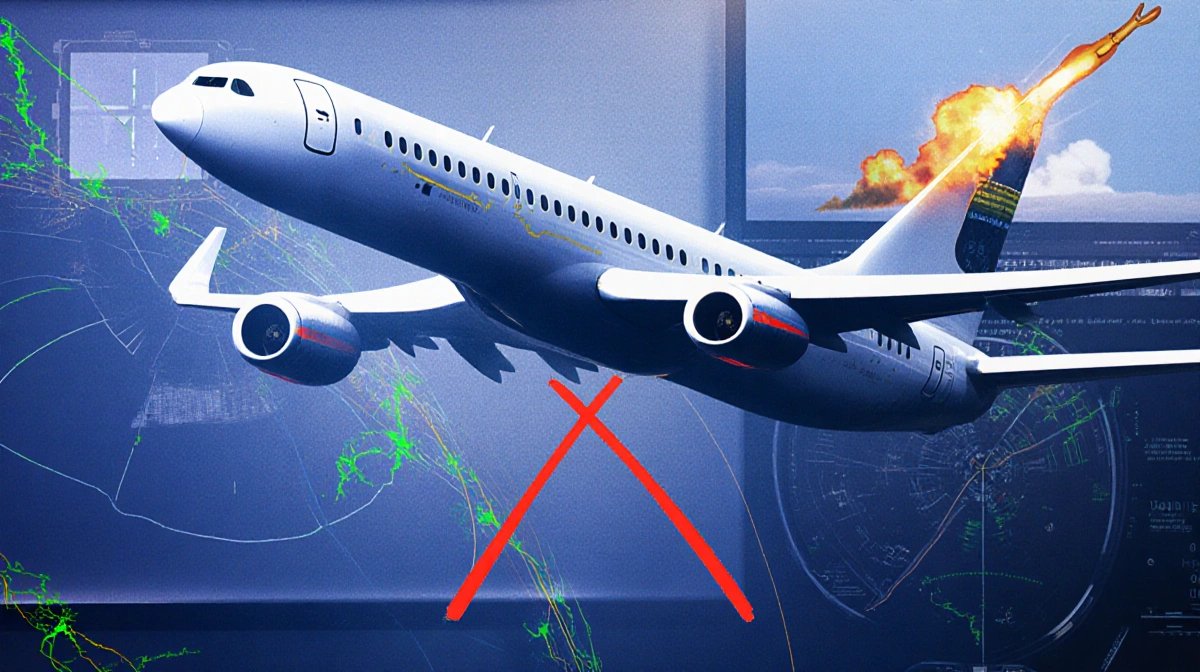
In response to ongoing military activity, the Federal Aviation Administration prohibited U.S. commercial flights from entering Venezuelan airspace, citing safety concerns. The FAA also restricted private U.S. pilots from flying over Venezuela and the nearby island of Curaçao. No U.S. spokesperson has commented on the strikes or the FAA’s decision.
- FAA banned U.S. commercial flights
- FAA banned private U.S. pilots
- No U.S. comment
The U.S. has been attacking boats in the Caribbean Sea and the eastern Pacific Ocean since early September. There have been 35 known strikes and at least 115 deaths. This activity is part of a broader pressure campaign targeting drug trafficking.
Government Reaction and Calls for Mobilization
Maduro’s government declared a state of external disturbance, calling for nationwide mobilization and urging citizens to take to the streets. The statement also ordered the activation of national defense plans. The U.S. Embassy in Venezuela, closed since 2019, warned American citizens to shelter in place amid the explosions.
Carmen Hidalgo said:
> “The whole ground shook. We heard explosions and planes. We felt like the air was hitting us.”
Venezuelan President Maduro said:
> “People to the streets! The Bolivarian Government calls on all social and political forces in the country to activate mobilization plans and repudiate this imperialist attack.”
Key Takeaways
- Seven Caracas explosions prompt FAA ban on U.S. flights.
- Maduro accuses U.S. of attacking civilian and military sites.
- Mobilization calls heighten tensions.
The explosions, combined with the FAA ban and Maduro’s mobilization call, underscore a deepening rift between Caracas and Washington, with the U.S. continuing its pressure campaign over drug trafficking and political influence.