> At a Glance
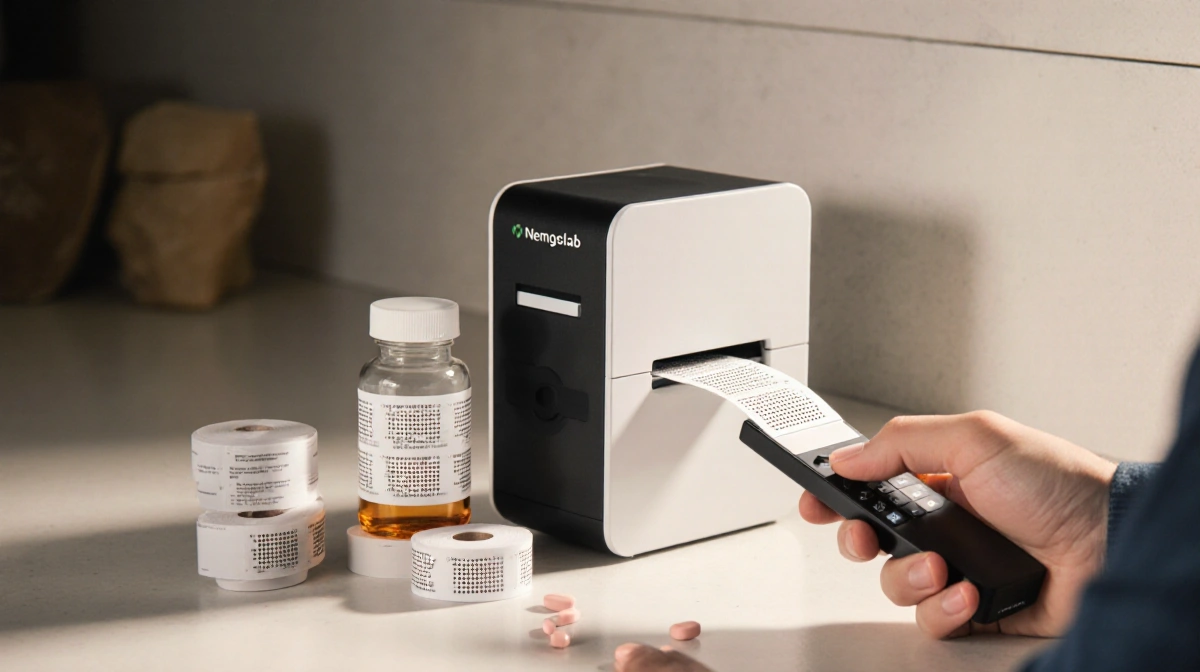
> – Mangoslab’s Nemonic Dot prints Braille labels through voice commands
> – $995 price undercuts typical Braille label makers by $255
> – Q2 2026 launch planned with $5 refill rolls
> – Why it matters: Blind users can avoid medication mix-ups without high-cost equipment
Blind people often rely on expensive Braille label makers to tell pills apart, but a Samsung spin-off showed a cheaper voice-powered alternative at CES 2026.
How It Works
The Nemonic Dot is a palm-sized printer that pairs with a phone app. Say the label aloud and the app converts speech to text, then to Braille, and prints it on a sticky strip.
Unlike traditional machines that need Perkins or QWERTY input, the process is hands-free. A sighted family member can quickly label identical pill bottles, spice jars, or anything else that feels the same.
Voice Hiccup on Show Floor
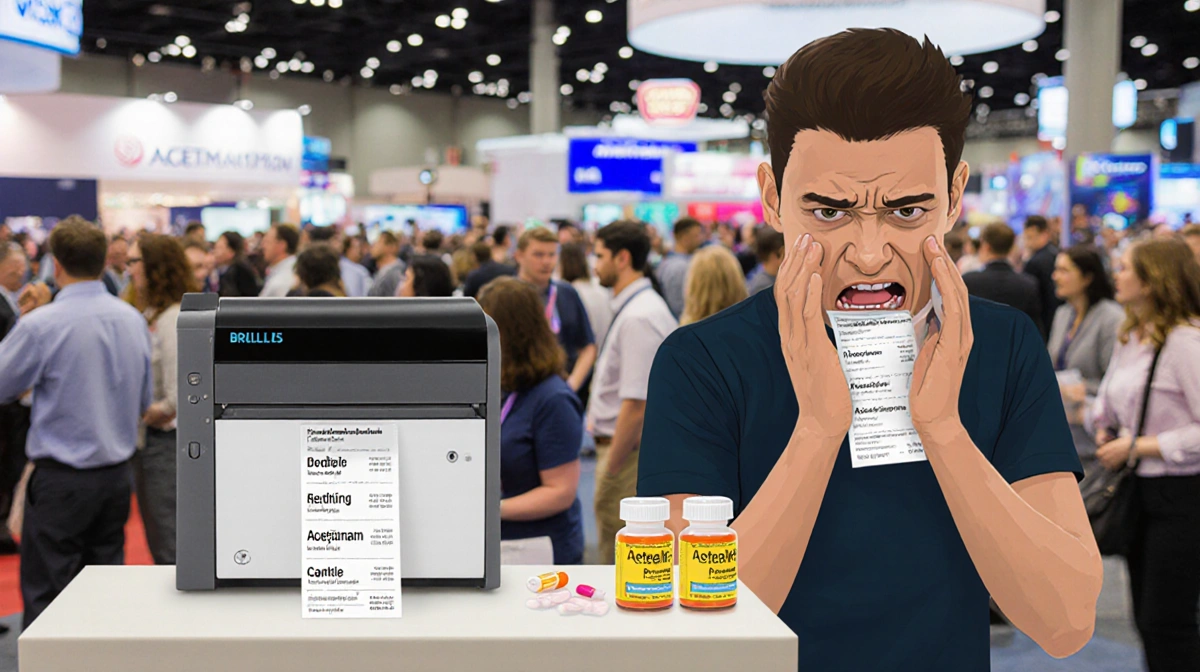
During the demo the app stumbled over long drug names like acetaminophen in the noisy hall. Re-opening the app fixed the issue, suggesting it may fare better in quiet homes.
- Supports common words and short phrases
- No typing or Braille knowledge required for helpers
- Copper tape option coming, price TBA
| Supply | Price |
|---|---|
| Nemonic Dot printer | $995 |
| Sticky tape refill | $5 |
| Copper tape (TBA) | TBA |
Mangoslab expects the hardware to ship in the second quarter of 2026; final cost may shift slightly before release.
Key Takeaways
- Voice-first design lowers the barrier for sighted helpers
- $995 price still high but beats typical $1,250 Braille labelers
- Refill rolls are inexpensive at $5 each
- Samsung C-Lab pedigree gives the startup credibility
If Mangoslab smooths voice recognition, the Nemonic Dot could become the go-to tool for preventing dangerous medication mix-ups in the blind community.