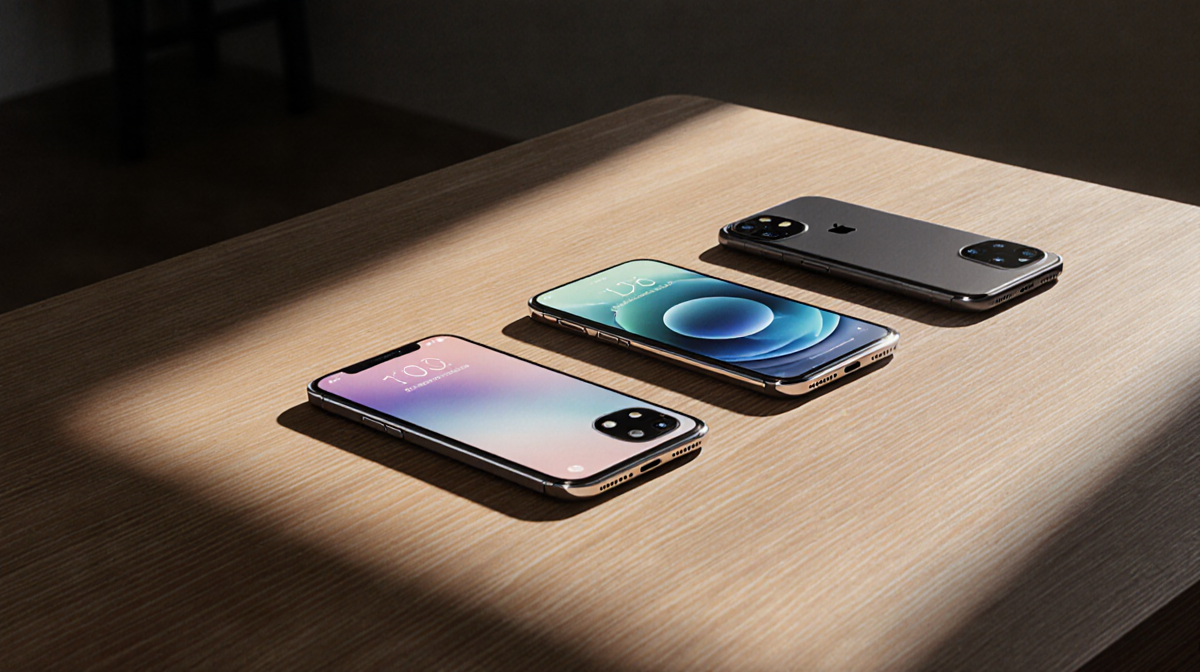
At a Glance
| Phone | Display | Camera | Processor | Battery | Price |
|---|---|---|---|---|---|
| iPhone 17 Pro Max | 6.3-inch OLED, 1-120Hz | 48-MP wide, 48-MP ultra-wide, 48-MP 4× telephoto | Apple A19 Pro | 4,252 mAh | $1,099+ |
| iPhone 17 Pro | 6.3-inch OLED, 1-120Hz | 48-MP wide, 48-MP ultra-wide, 48-MP 4× telephoto | Apple A19 Pro | 4,252 mAh | $1,099+ |
| Pixel 10 Pro | 6.9-inch OLED, 1-120Hz | 50-MP wide, 48-MP ultra-wide, 48-MP 5× telephoto | Google Tensor G5 | 5,088 mAh | $799 |
| Galaxy S25 Ultra | 6.3-inch OLED, 1-120Hz | 200-MP wide, 50-MP ultra-wide, 10-MP 3× telephoto, 50-MP 5× telephoto | Snapdragon 8 Elite | 5,200 mAh | $1,300 |
| Galaxy Z Fold 7 | 6.5-inch AMOLED cover, 8-inch AMOLED inner | 200-MP wide, 50-MP ultra-wide, 10-MP inner telephoto, 50-MP outer telephoto | Snapdragon 8 Elite | 4,400 mAh | $2,000 |
—
Smartphones are now the default cameras for most people, but the question of which flagship still offers the best photography experience remains. The 2025 lineup features Apple’s iPhone 17 Pro and Pro Max, Google’s Pixel 10 Pro, and Samsung’s Galaxy S25 Ultra and Z Fold 7. Each device brings a mix of hardware power, computational photography, and software tools that shape how a photo looks. Below we break down each system, how they compare in real-world tests, and what you should look for when picking a new phone.
iPhone 17 Pro Max – The Ultimate Pro-Level Slate
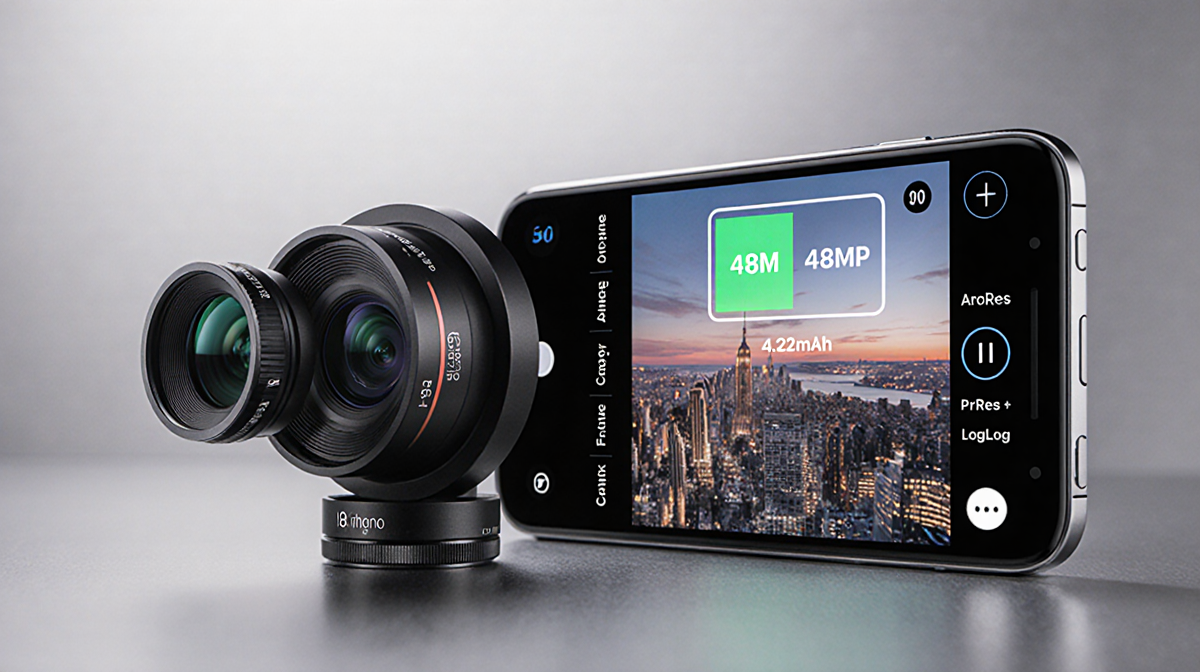
Apple’s newest flagship, the iPhone 17 Pro Max, carries a 48-MP wide sensor, a matching 48-MP ultra-wide, and a 4×-zoom telephoto that can be extended to 8×. The camera app unlocks ProRes and Log video capture, a feature that lets videographers record in a raw-like format with minimal compression. The phone’s battery is 4,252 mAh, and after a full day of use the reviewer noted that the battery still had a buffer for late-night photo sessions.
Pros
- 48-MP sensors across all lenses give detailed color and low-light performance.
- ProRes and Log video provide professional-grade footage.
- The 1-120Hz OLED display is bright and smooth.
Cons
- The price starts at $1,099, which is on the higher side for a phone that is essentially a “Pro” version of the iPhone 17.
- The telephoto is only 4× by default, though 8× is available with a software-based zoom.
iPhone 17 Pro – The Mid-Range Flagship
The iPhone 17 Pro mirrors the Max in camera specs but drops the extra battery capacity and the 4×-zoom telephoto. It still offers 48-MP sensors, ProRes, and Log video. Battery life is comparable, with the reviewer noting that after a typical day the phone still had a few hours left for video playback.
Pros
- 48-MP sensors and night mode give natural-looking images.
- ProRes and Log video keep it in line with the Max.
- 1-120Hz variable refresh rate provides fluid animations.
Cons
- The telephoto zoom is limited to 4×, which is less than the Max’s 8×.
- The phone is still pricey, starting at $1,099.
Pixel 10 Pro – Google’s All-Around Android
Google’s Pixel 10 Pro adds a telephoto lens for the first time in the Pixel line. The 50-MP wide, 48-MP ultra-wide, and 5× telephoto create a versatile camera system. The phone ships with Android 16 and seven years of security updates. The “Gemini” AI suite offers features like Magic Cue and Voice Translate.
Pros
- 5× telephoto gives a decent zoom range.
- 4-K video and 8-K support keep it competitive.
- Seven years of software updates.
Cons
- AI features are still a work in progress.
- The phone’s appearance is similar to the Pixel 9, which may not feel fresh to some.
Pixel 10 Pro XL – The Baseline Pro
The Pixel 10 Pro XL ups the ante with a 200-MP wide sensor, a 50-MP ultra-wide, and a 10-MP telephoto. The phone also retains the Gemini AI suite and is priced at $799. It offers a larger display and more zoom, but the battery is still 4,870 mAh.
Pros
- 200-MP wide sensor gives more detail.
- 5-K video and 8-K support.
- Seven years of updates.
Cons
- The 200-MP sensor is more power-hungry.
- Price is $799, still a premium for a baseline model.
Galaxy S25 Ultra – Samsung’s High-End Flagship
Samsung’s Galaxy S25 Ultra brings a 200-MP wide sensor, a 50-MP ultra-wide, and a 10-MP telephoto. The phone runs Android 16 and comes with a Snapdragon 8 Elite processor. The display is a 6.8-inch AMOLED with 1-120Hz adaptive refresh rate and 3,120 ppi. The camera app offers Log video recording, which is a pro-video feature that rivals the iPhone.
Pros
- The biggest telephoto zoom in any phone.
- Best-ever phone display.
- Log video recording.
Cons
- $1,300 price tag.
- AI features are hit or miss.
- Minimal design changes from the S25.
Galaxy Z Fold 7 – The Foldable with a High-Resolution Camera
Samsung’s Galaxy Z Fold 7 is a 4.2-mm thin book-style foldable with a 6.5-inch cover display and an 8-inch inner display. The phone’s camera system is upgraded to a 200-MP wide sensor, matching the S25 Ultra’s image quality. Battery is 4,400 mAh, unchanged from the previous fold. The phone runs Android 16 and supports seven years of updates.
Pros
- 200-MP wide sensor.
- 11% larger main display than the Z Fold 6.
- Snapdragon 8 Elite powers AI features.
Cons
- $2,000 price tag.
- Same battery as last year.
- 25-W wired charging is modest.
Night Mode Performance
All three flagship phones – the Galaxy S25 Ultra, iPhone 17 Pro/Max, and Pixel 10 Pro – feature dedicated night modes that capture multiple frames and combine them into a brighter image with less noise. While each is competent, the differences are subtle and often come down to lighting conditions and scene choice.
Telephoto Zoom: Samsung vs. Apple
Samsung’s Galaxy S25 Ultra offers the largest telephoto zoom with a 5× lens, while Apple’s iPhone 17 Pro/Max provide a 4× lens that can be extended to 8× with software. For pure zoom range, Samsung wins; for natural-looking video and pro features like ProRes, Apple is ahead.
Buying Tips for 2025
- Look for sales – major holidays, Prime Day, and Cyber Monday often bring discounts on premium models.
- Consider existing accessories – if you already own an iPhone tripod or case, staying within the iOS ecosystem may be easier.
- Balance price and need – the $499 Pixel 9A or $599 iPhone 16E can deliver similar core functionality for a fraction of the price.
- Don’t overlook software support – all flagship phones get up to seven years of updates, but the baseline Pixel 10 and iPhone 16E still offer solid longevity.
## Conclusion
Choosing the best phone camera depends on what you value most. If you want the widest zoom and the most versatile camera system, the Samsung Galaxy S25 Ultra is the clear winner. If you need a natural-looking all-round shooter with professional video tools, the iPhone 17 Pro or Pro Max is the top choice. For Android enthusiasts who prefer a foldable experience without sacrificing camera quality, the Galaxy Z Fold 7 offers a compelling trade-off, albeit at a high price.
—
All specifications and reviews come from {original publication?} and were updated periodically when software updates rolled out.