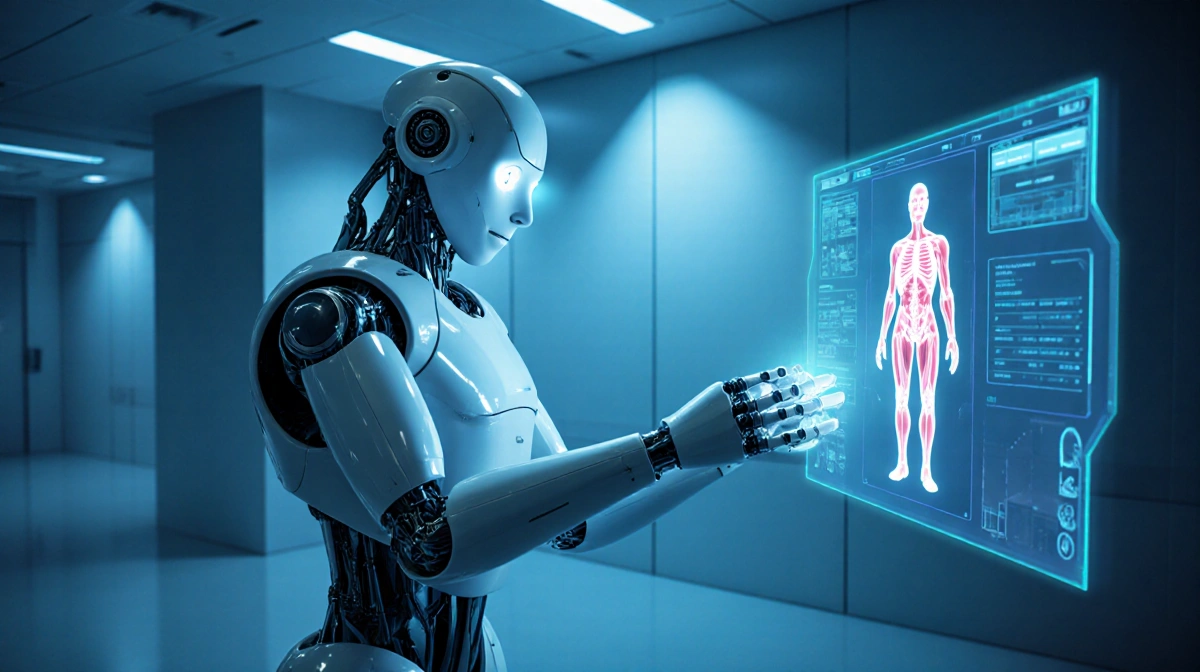
AI is pivoting from chatbots to systems that grasp gravity, motion, and space. Meet the “world models” tech giants say will power surgical robots, self-driving cars, and hyper-real media.
> At a Glance
> – World models encode physics, depth, and motion so AI can act, not just chat
> – Nvidia’s Cosmos demo shows cars predicting crashes before they happen
> – Yann LeCun left Meta to build them; Fei-Fei Li calls spatial intelligence the next frontier
> – Why it matters: Future robots and vehicles need AI that won’t hallucinate sidewalks or miss brake lights
The next leap in AI isn’t bigger language models-it’s software that learns how objects move, fall, and collide. World models turn camera feeds and sensor data into an internal map of the surroundings, letting machines rehearse actions before taking them.
From Text Generators to Physics Engines
Large language models power most consumer AI today, but they stumble in the real world. World models close that gap by training on videos, simulations, and sensor streams instead of scraped text.
Nvidia’s Cosmos is one of the first high-profile examples. During CES 2026, Jensen Huang showed it digesting live footage from a car’s cameras to:
- Plot every vehicle’s exact position and speed
- Generate synthetic forward-time video of possible crashes
- Let engineers test safety responses without real-world collisions
Who’s Building Them-and Why Now
Top AI voices are staking startups and research labs on the concept:
| Figure | Move | Stated Goal |
|---|---|---|
| Yann LeCun | Left Meta AI chief post | Launch world-model startup |
| Fei-Fei Li | Spun stealth lab | Advance “spatial intelligence” for robotics |
| Nvidia | Public CES roadmap | Embed Cosmos in autonomous vehicle stacks |

Li summarized the stakes in a November post: “Spatial intelligence will transform how we create and interact with real and virtual worlds-revolutionizing storytelling, creativity, robotics, scientific discovery and beyond.”
Training Without Copyright Headaches
Because world models rely on sensor recordings and physics simulators, developers can sidestep the legal gray zone of ingesting web-scraped text or images. Synthetic data-generated inside game engines or physics simulators-can stand in for rare “edge” events like a child chasing a ball into traffic.
The approach flips today’s data pipeline:
- Input: Real-time video, lidar, radar, or physics logs
- Output: Predictive models of object motion and cause-effect chains
- Result: Safer autonomous systems trained without millions of labeled photos
Key Takeaways
- World models encode space, time, and physics so AI can predict-not just describe-outcomes
- Nvidia’s Cosmos demo showed live prediction of traffic scenarios, aiming to cut crashes before they occur
- Industry heavyweights are reallocating teams and capital toward spatially aware, physically grounded AI
- Synthetic and sensor-based training data may reduce legal risks tied to copyrighted web scraping
If the bets pay off, tomorrow’s robots and vehicles won’t need cloud-sized chat brains-just compact world simulations that know a falling brick from a flying bird.